



Your Reliable LED Underground Lights Manufacturers
SYA Lighting’s Underground Light Series 3 elevates outdoor spaces with safe, refined illumination. Compact yet robust, these fixtures highlight paths, plazas, stairs, and façades with precise, low-glare light. Built with 304/316 stainless steel and tempered glass and sealed to IP67–IP68, they ensure long service life in all weather, with options for 2700–6000K and RGB/RGBW.
Request A QuoteThree Major Series Of Application Scenarios

Underground Uplight
SYA LIGHTING Design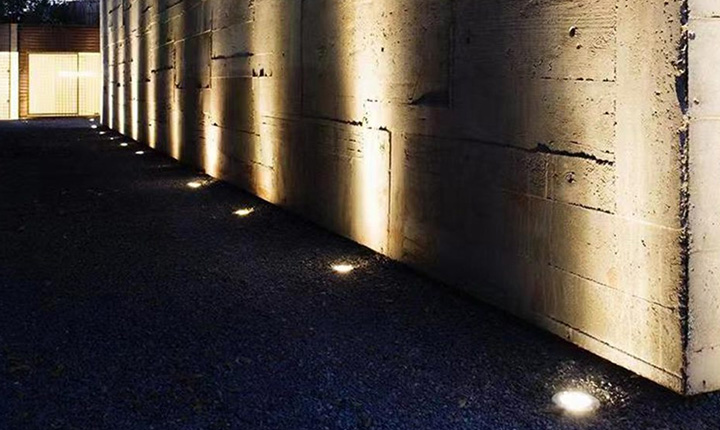
Underground uplights are compact, ground-mounted lighting fixtures designed to project light upward, creating dramatic architectural and landscape illumination. Installed flush with the ground, they provide powerful accent lighting without disrupting pathways, plazas, gardens or building entrances. Their sealed housing protects the internal components from moisture, dust and impact, allowing consistent performance in outdoor environments. These uplights enhance visual depth, highlight trees, walls and sculptures, and improve nighttime safety while maintaining a clean, unobtrusive appearance that blends naturally with both residential and commercial landscapes.
Key Specifications
IP67–IP68 waterproof protection for all-weather reliability.
High-efficiency LED chips with excellent brightness and low energy consumption.
Available in 2700K–6000K or RGB/RGBW options.
Compatible with DMX512, DALI, or Tuya smart control.
Easy installation with recessed or surface mounting.
Customizable in size, color, and wattage to match project needs
Typical Applications
Walkways & Garden Paths — Low-glare guidance lighting for safe wayfinding.
Façade Uplighting — Narrow to medium beams to sculpt columns and walls.
Stairs & Entrances — Even step illumination to improve safety and visual rhythm.
Linear Underground Light
SYA LIGHTING Design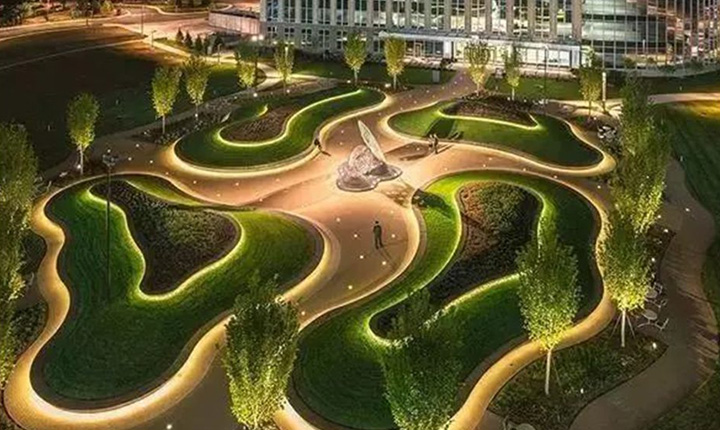
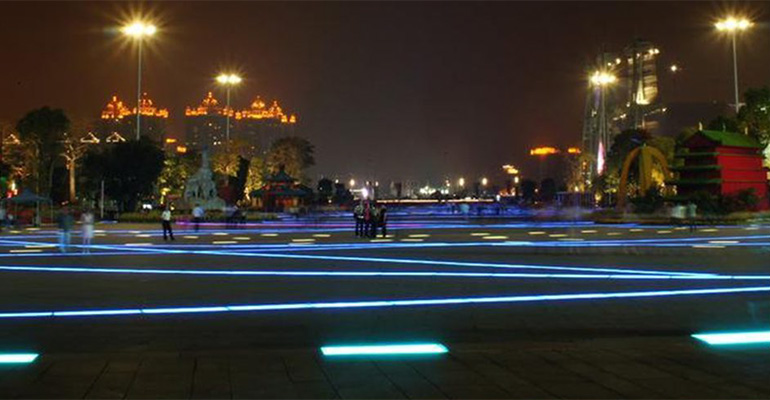
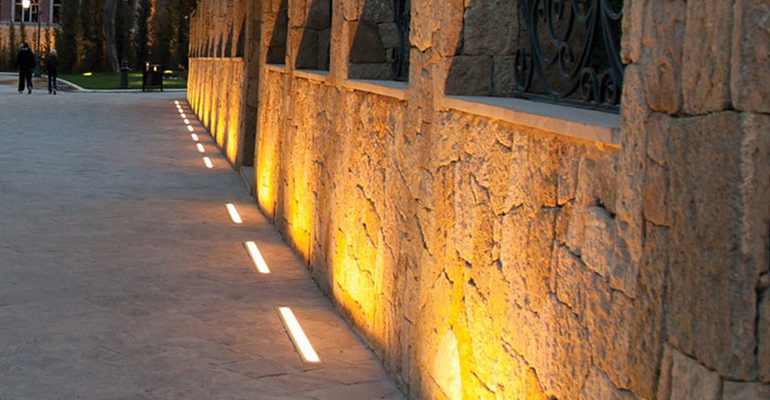
A linear underground light is a slim, ground-embedded lighting fixture designed to create continuous lines of illumination along pathways, facades, plazas, and landscape features. Built with a low-profile structure, it sits flush with the ground to provide safe, glare-controlled lighting without obstructing foot or vehicle traffic. Its long, linear beam enhances architectural outlines, highlights materials, and improves nighttime visibility in public and private outdoor spaces. Crafted with strong durability, waterproof sealing, and precise optical control, it delivers modern aesthetics, reliable outdoor performance, and flexible installation for lighting designers and property developers.
Key Specifications
High Load-Bearing Strength for safe installation in pedestrian or vehicle areas.
IP67–IP68 Waterproof Rating to ensure reliable outdoor performance.
Low-Glare Optical Design for comfortable, uniform linear illumination.
Energy-Efficient LED Modules with long lifespan and low maintenance.
Corrosion-Resistant Housing for stable operation in harsh environments.
Typical Applications
Pathway Lighting: Creates clear visual guidance along walking routes at night.
Building Facades: Highlights architectural lines and materials with continuous illumination.
Public Plazas: Enhances ambiance and safety in open urban spaces.
Landscape Borders: Defines garden edges and plant beds with subtle ground-level light.
Driveway Marking: Provides durable, vehicle-safe illumination to guide cars and improve visibility.

Main Products
SYA-301 Outdoor Ground Lights
Underground Uplight
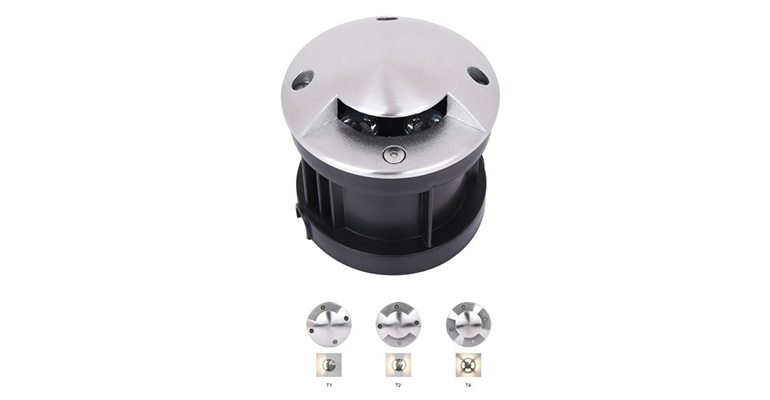
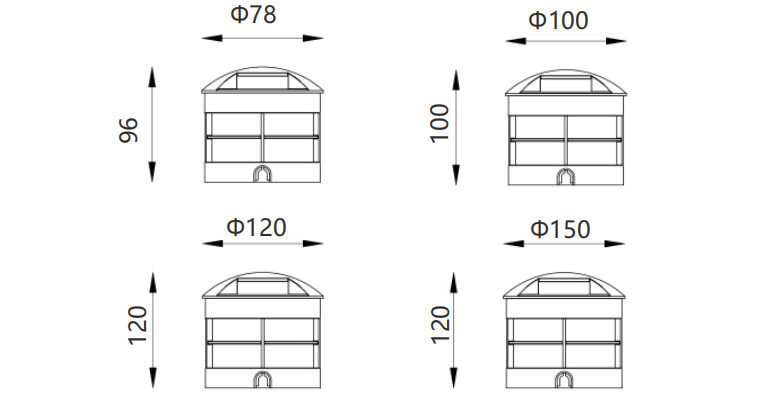
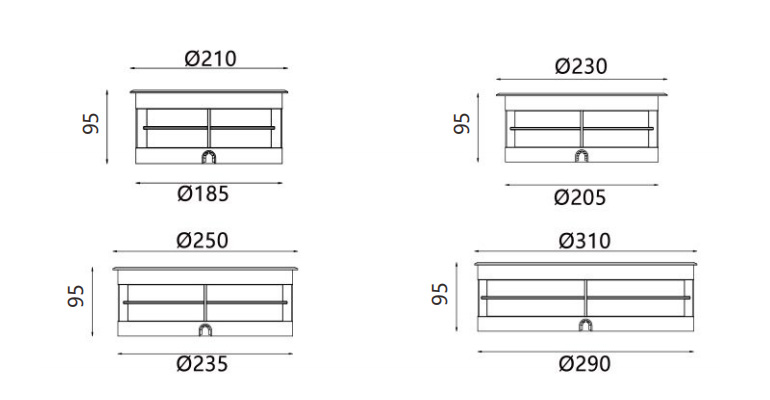
SYA-301 Outdoor Ground Lights are designed for landscape, architectural, hotel, plaza, and municipal projects. With IP67 protection, IK09 rating, stainless steel cover, tempered glass, multiple sizes, CCT options, RGB choices, and DMX512 control, we support OEM/ODM lighting solutions, bulk order needs, and project-based customization for reliable outdoor installation.
SYA-302P In-Ground Pathway Lights
Underground Uplight
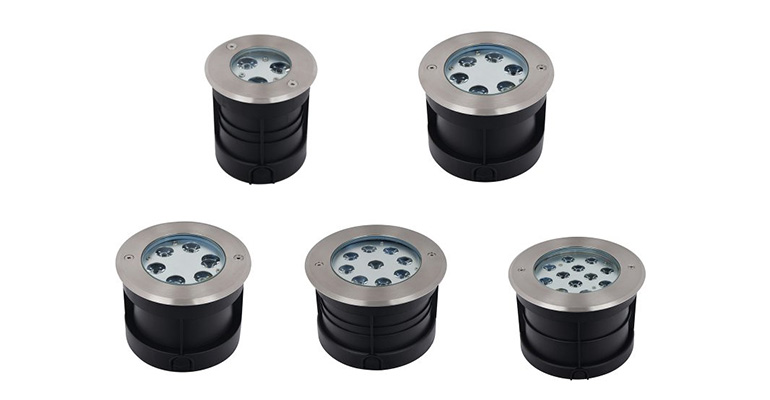
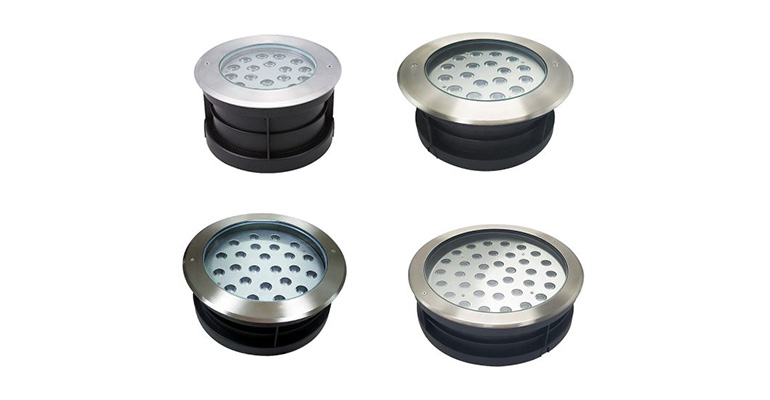
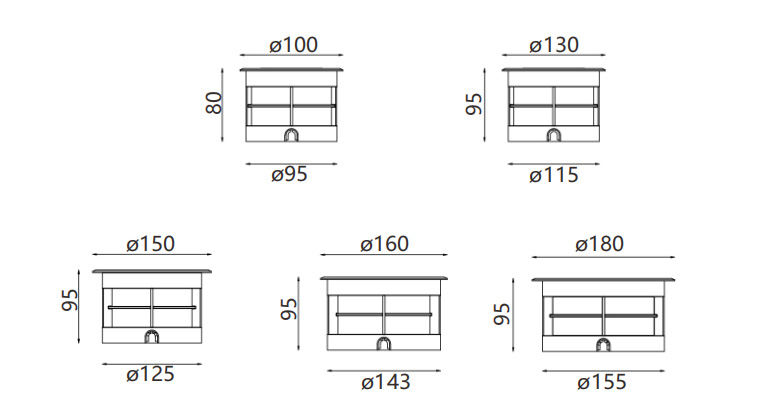
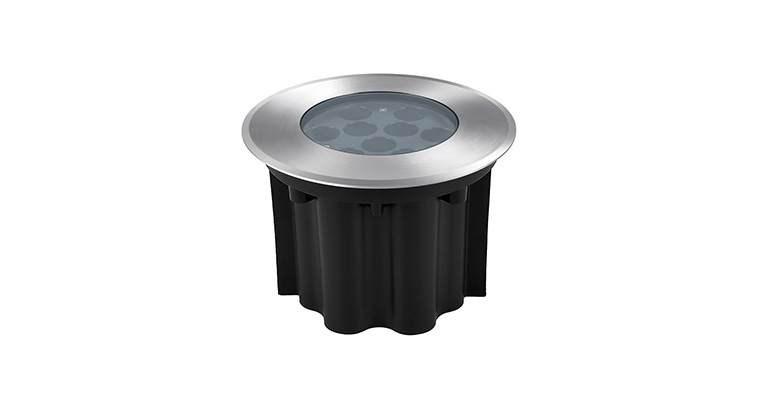
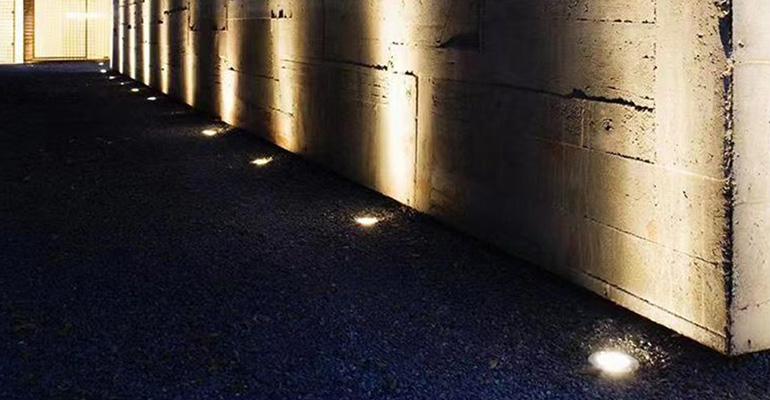
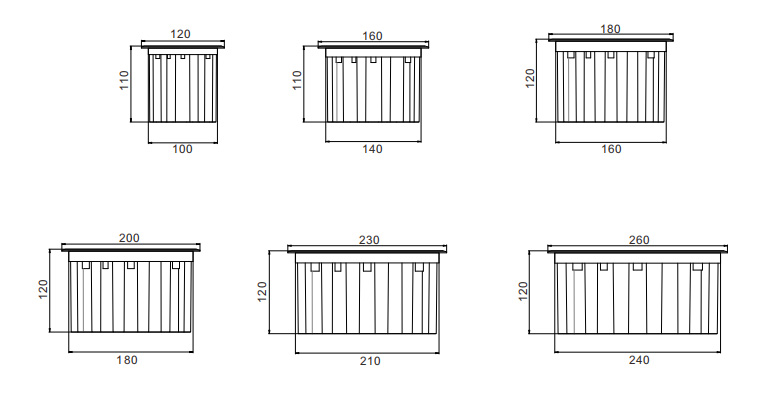
In-ground pathway lights are recessed fixtures installed flush with the ground to illuminate walkways, driveways, and garden paths. Designed for both safety and style, they provide subtle yet effective lighting that enhances visibility without glare. Made from durable, weather-resistant materials, these lights are ideal for outdoor environments. Their sleek, low-profile design adds a modern aesthetic to landscapes and architectural spaces.
SYA-302B Recessed Ground Lights
Underground Uplight
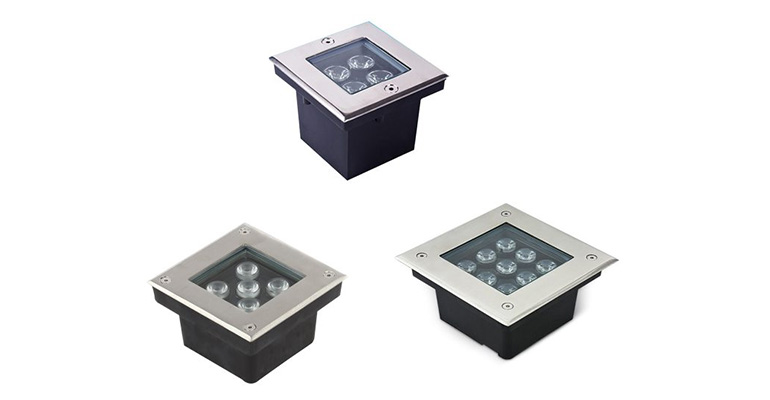
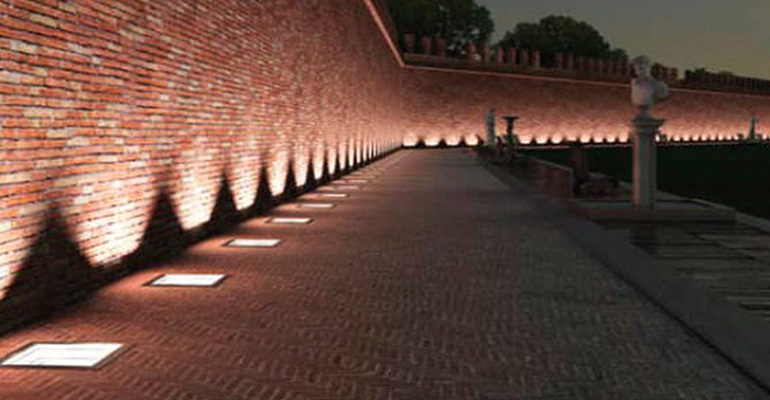
Recessed ground lights provide elegant, low-profile illumination for pathways, driveways, gardens, and architectural spaces. Installed flush with the surface, they offer both safety and aesthetic appeal by highlighting outdoor features without visible fixtures. Designed for durability, energy efficiency, and waterproof performance, recessed ground lights are ideal for residential, commercial, and landscape lighting projects.
SYA-302CN Garden Ground Lights
Underground Uplight
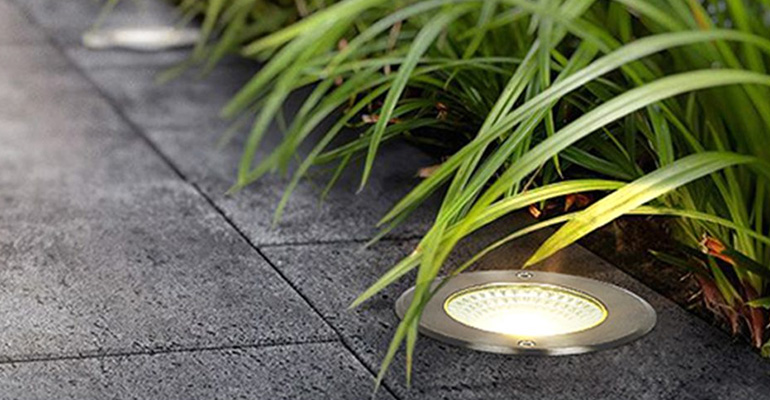
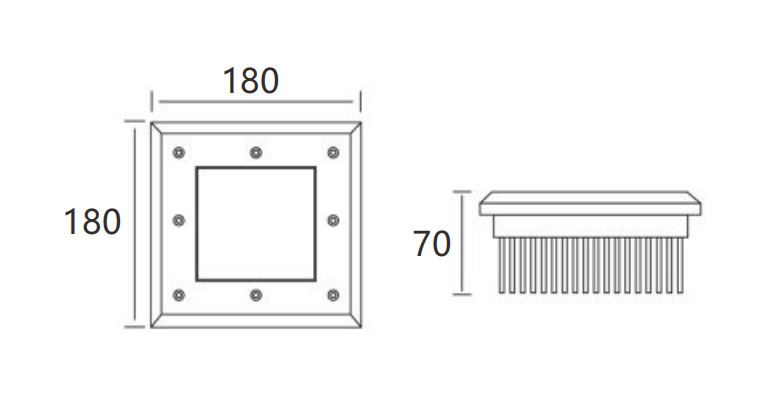
Garden ground lights are outdoor fixtures designed to illuminate pathways, lawns, and landscapes while enhancing nighttime ambiance. Installed flush with the ground, they provide subtle yet effective lighting for safety and aesthetics. Crafted with weather-resistant materials and energy-efficient LED technology, these lights offer long-lasting performance, low power consumption, and elegant outdoor illumination for residential and commercial spaces.
SYA-303 Pathway Ground Lights
Underground Uplight
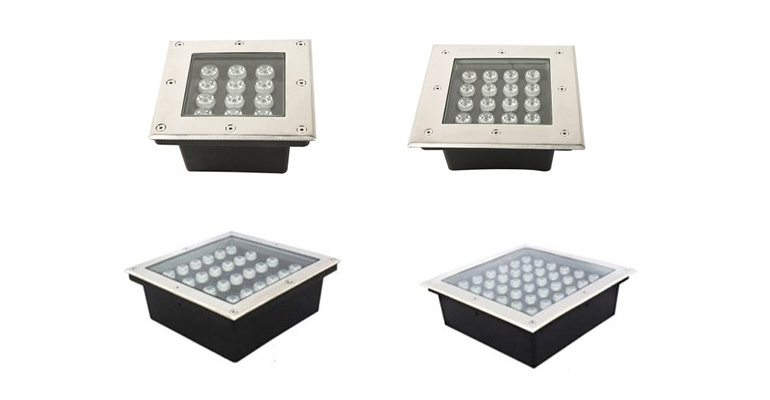
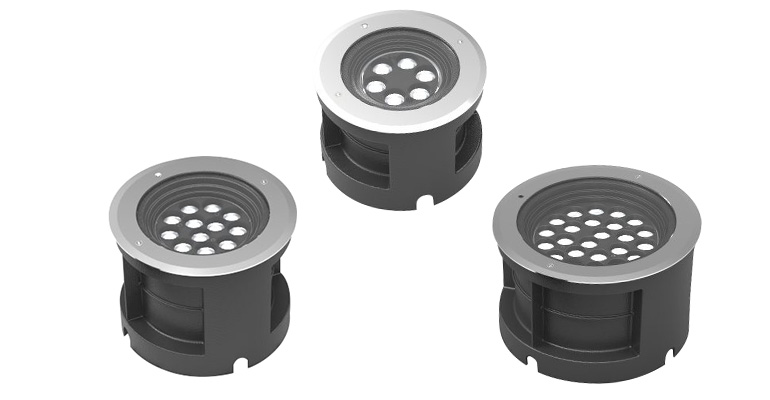
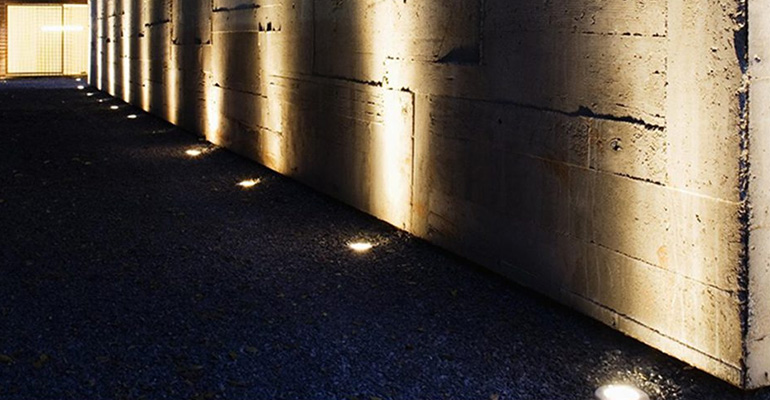
Pathway ground lights enhance outdoor safety and aesthetics by illuminating walkways, driveways, and gardens with subtle, low-profile lighting. Designed for durability, these fixtures are built with weather-resistant materials and efficient LED technology to provide long-lasting, energy-saving performance. Ideal for both residential and commercial landscapes, pathway ground lights create a welcoming ambiance while improving visibility and outdoor security.
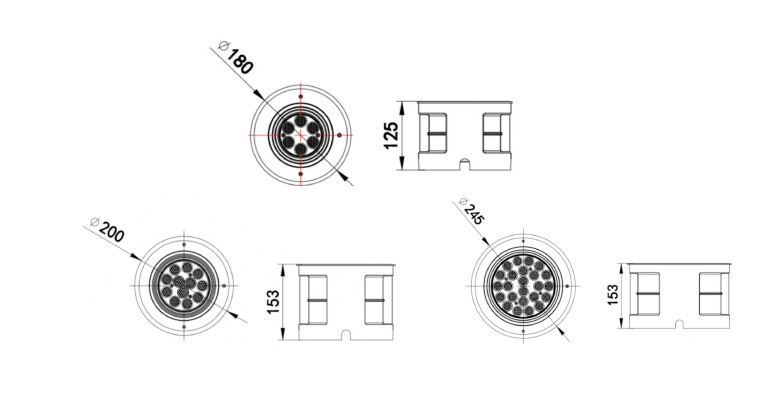
SYA-304B Inground LED Uplight
Underground Uplight
Inground LED Uplights are durable and versatile lighting fixtures designed for outdoor architectural and landscape illumination. Installed flush with the ground, they provide a sleek and unobtrusive look while delivering powerful upward lighting effects for trees, walls, pathways, and façades. With waterproof housing, corrosion resistance, and energy-efficient LED technology, these uplights ensure long-lasting performance and striking visual highlights in gardens and public spaces.
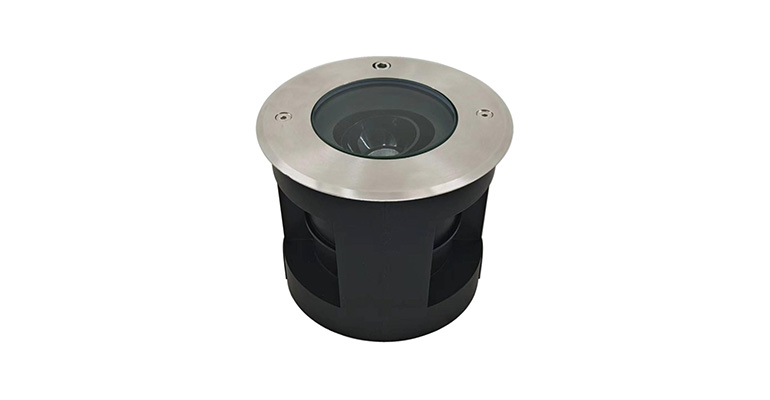
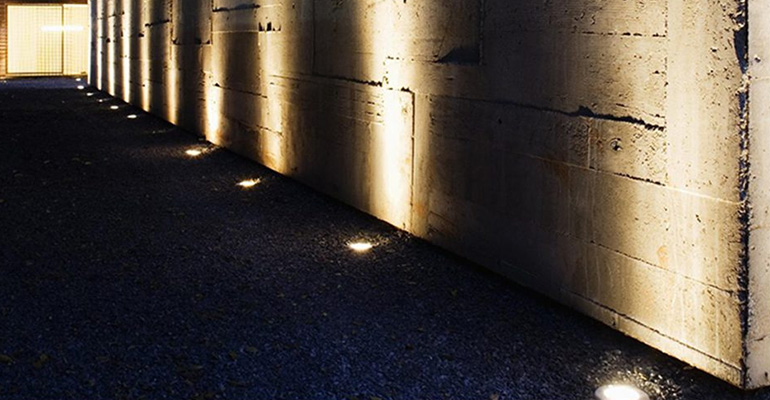
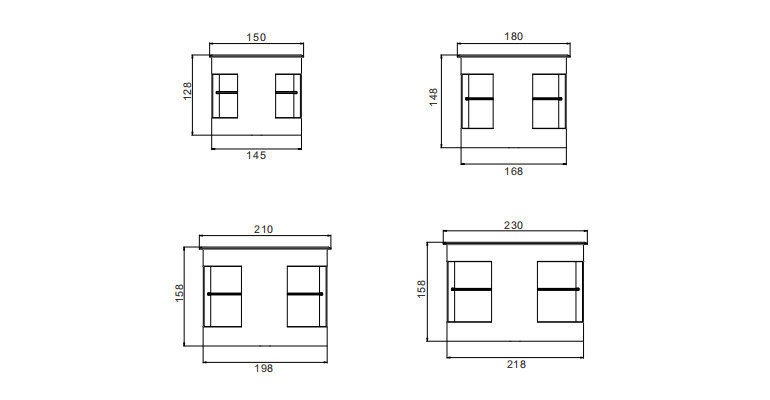
SYA-304D Ground Spot Lights
Underground Uplight
Ground spot lights are outdoor lighting fixtures designed to create focused, elegant illumination across gardens, pathways, and architectural landscapes. Made from durable, weather-resistant materials, they deliver long-lasting performance under rain, heat, or frost. With adjustable beam angles and energy-saving LED options, ground spot lights enhance outdoor ambiance, safety, and nighttime aesthetics for both residential and commercial use.
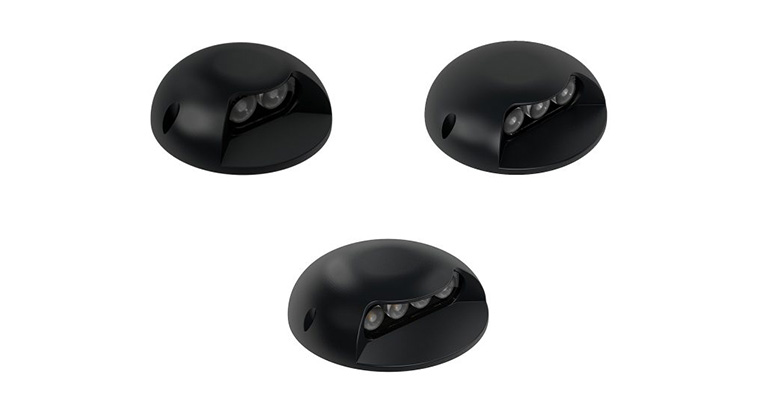
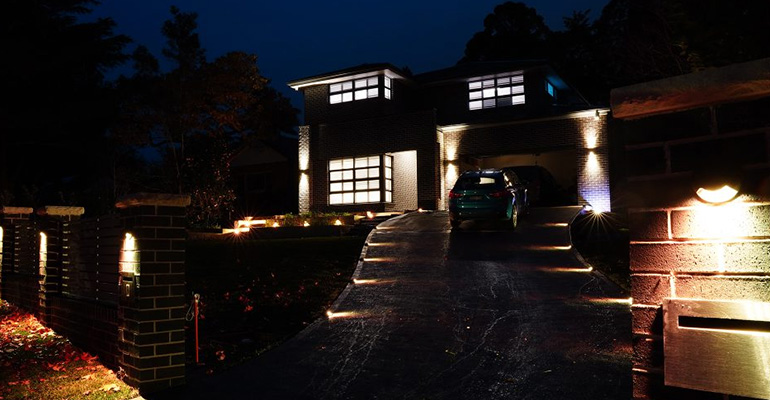
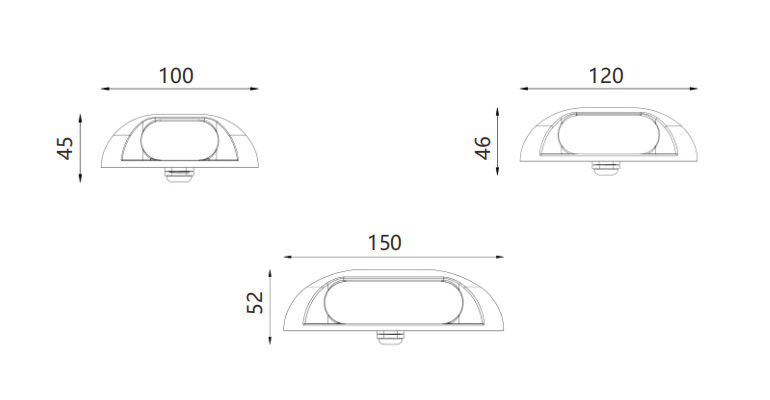
SYA-306 In-Ground Driveway Lights
Underground Uplight
In-Ground Driveway Lights provide durable, recessed illumination that enhances driveway visibility, safety, and modern aesthetics. Made from corrosion-resistant stainless steel or aluminum, these lights withstand heavy loads and harsh weather. Ideal for driveways, pathways, and outdoor landscapes, they deliver efficient LED lighting with long service life and low maintenance needs.
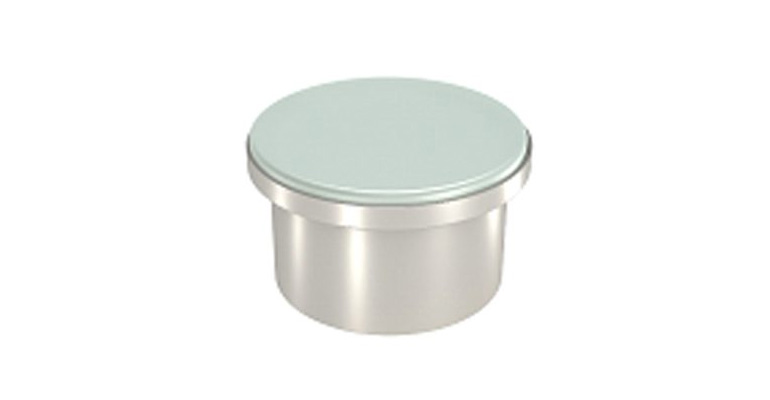
SYA-308C In-Ground Paver Lights
Underground Uplight
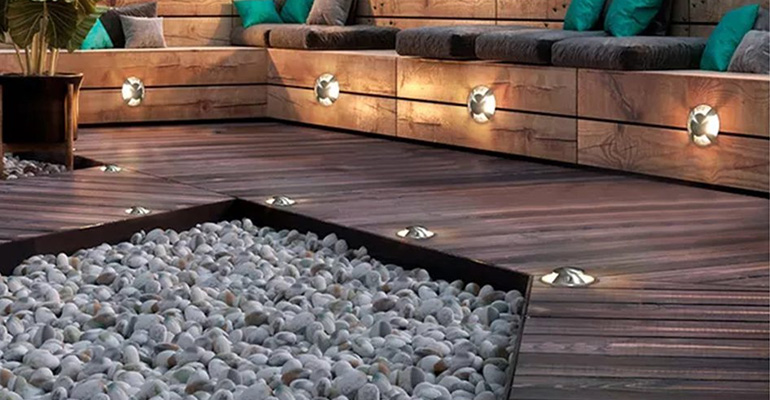
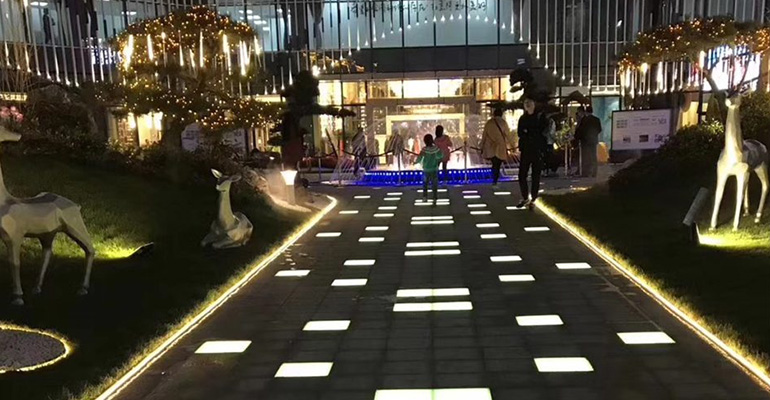
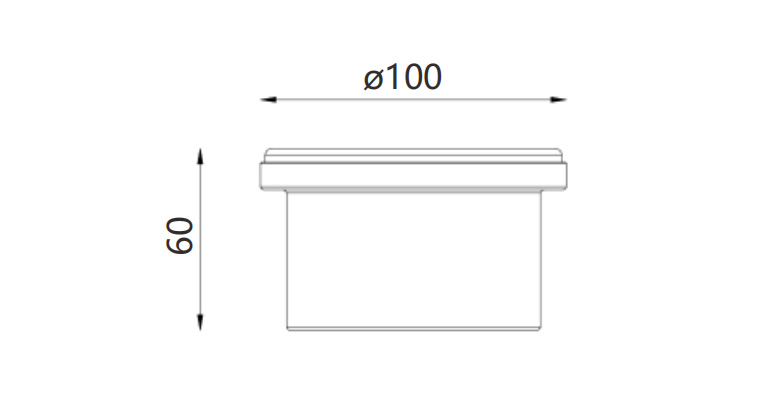
In-ground paver lights are durable, low-profile outdoor lighting fixtures designed to be seamlessly installed into patios, pathways, driveways, decks, and garden landscapes. Their flush-mounted design blends perfectly with stone, brick, or concrete surfaces, creating an elegant and safe lighting solution that enhances visibility and architectural beauty at night. Energy-efficient LED technology ensures long service life with minimal power consumption, making them an eco-friendly choice for residential courtyards, commercial plazas, and public pathways.
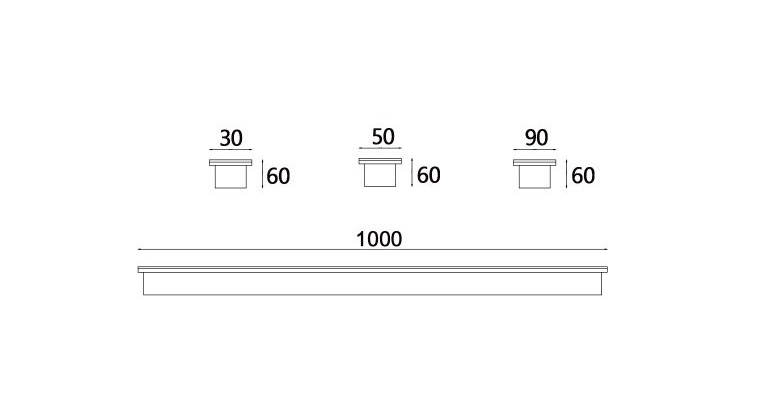
SYA-308L In-Ground Landscape Lights
Linear Underground Light
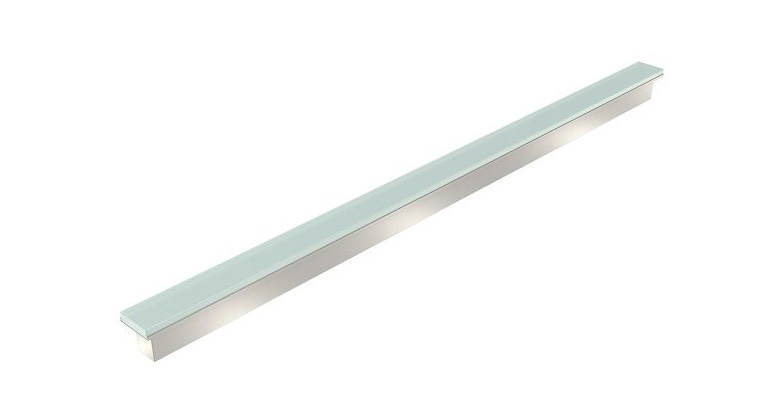
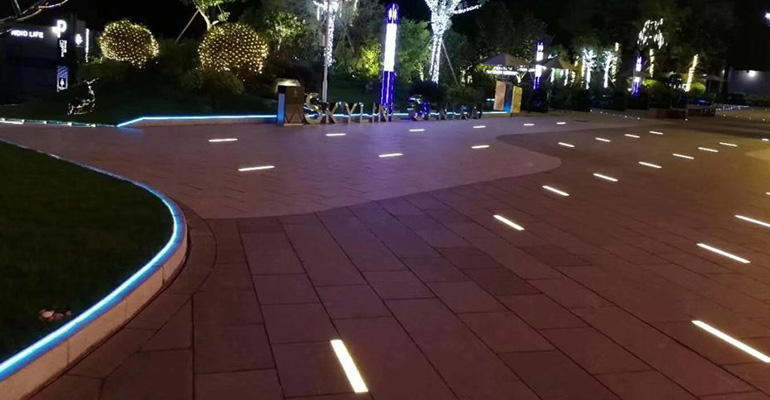
SYA-308L In-Ground Landscape Lights are designed for outdoor landscape projects requiring linear ground lighting, IP67 protection, IK09 impact resistance, and 304 or 316 stainless steel durability. With DC 24V input, SMD 5050 LED, multiple color options, and DMX512 control, we support OEM/ODM customization, bulk order planning, and project-based lighting solutions for commercial outdoor spaces.
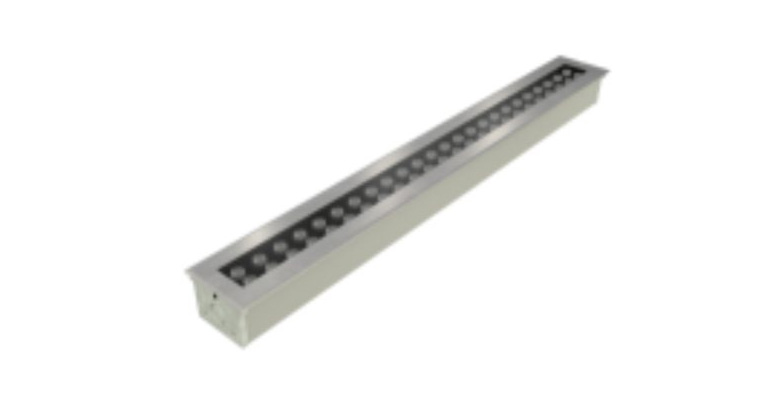
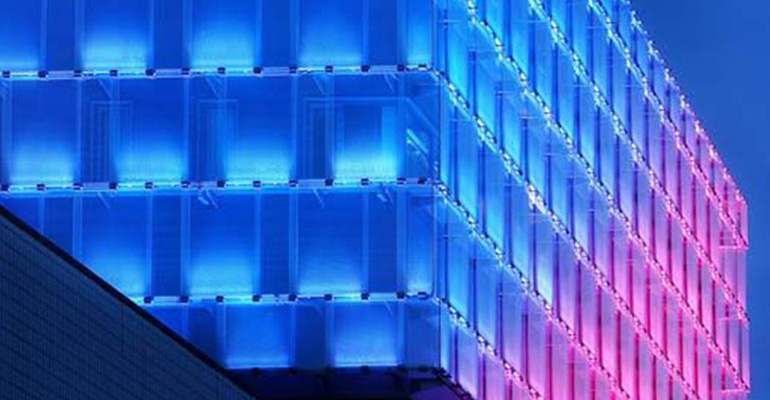
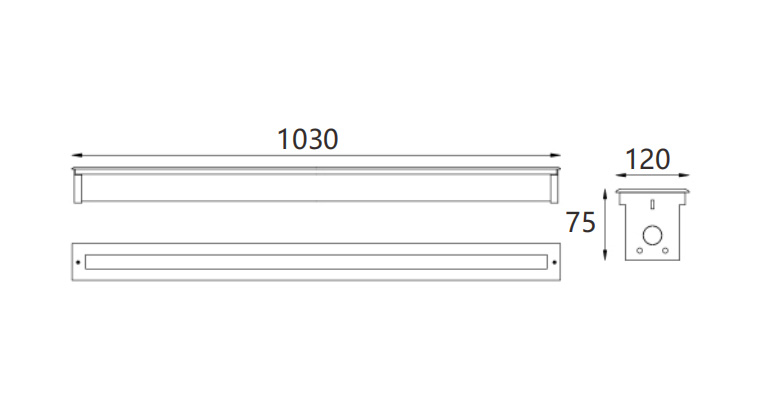
SYA-309-120 Underground Landscape Lights
Linear Underground Light
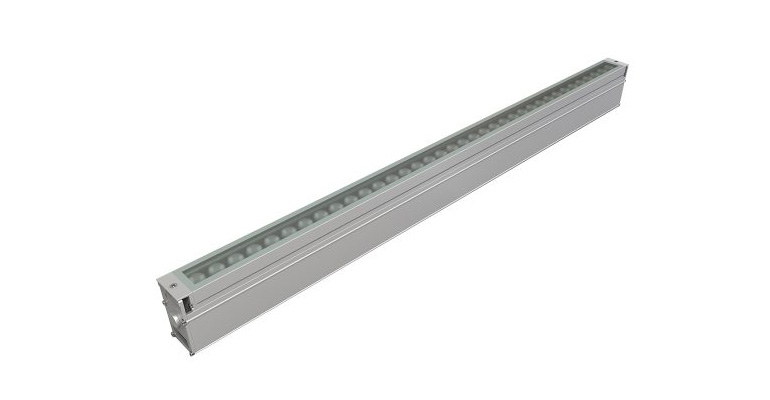
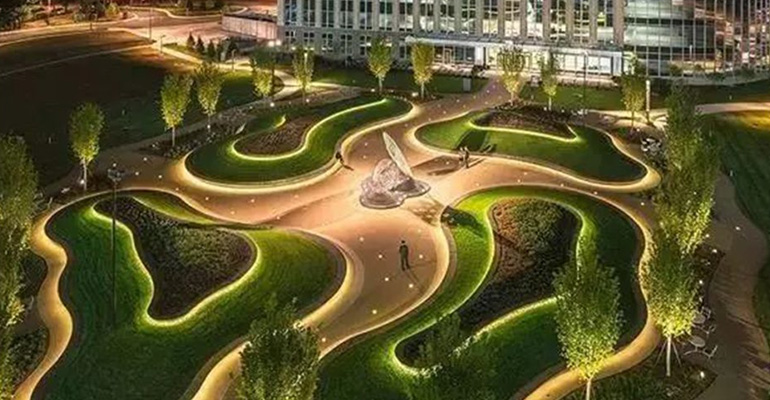
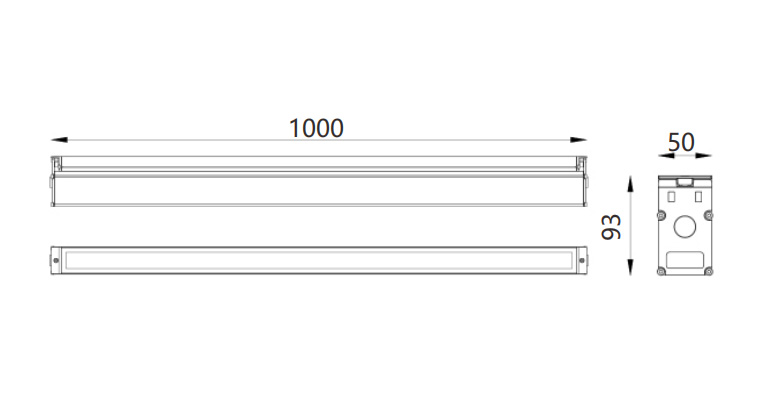
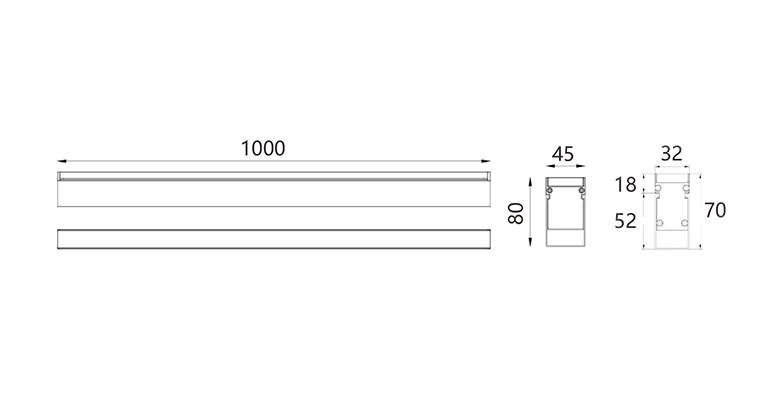
Linear underground landscape lights are modern architectural lighting fixtures designed to create sleek, continuous illumination along pathways, walls, and outdoor landscapes. Built with durable aluminum housing and IP67 waterproof protection, they enhance visual guidance and accentuate contours with uniform linear brightness, ideal for gardens, driveways, and building facades.
SYA-312 Underground Garden Light
Linear Underground Light
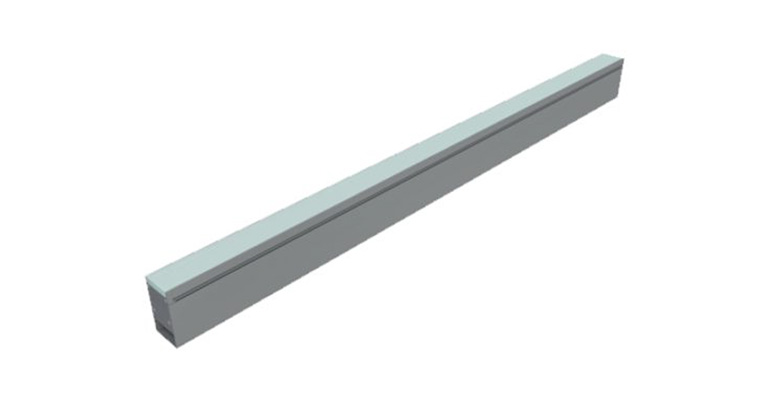
Underground garden lights are durable, recessed outdoor fixtures designed to provide accent or pathway illumination while remaining discreetly hidden beneath the surface. Built with waterproof, corrosion-resistant materials such as stainless steel and tempered glass, they deliver consistent brightness and long lifespan even in harsh weather. Ideal for driveways, lawns, and landscape architecture, underground garden lights enhance aesthetic appeal, safety, and nighttime visibility, making them a perfect choice for modern outdoor lighting design.
SYA-314 Linear Underground Led Lights
Linear Underground Light
Underground LED lights, also known as in-ground LED lighting, are durable outdoor fixtures installed flush with the ground to create safe, low-profile illumination. These lights are commonly embedded in concrete, brick, soil, driveways, walkways, and landscape areas. Their core purpose is to enhance visibility, guide movement, and highlight architectural or landscape elements without disrupting the ground surface. These buried LED lights use energy-efficient LED chips, sealed housings, and waterproof structures to withstand heavy impact, foot traffic, and outdoor environments.
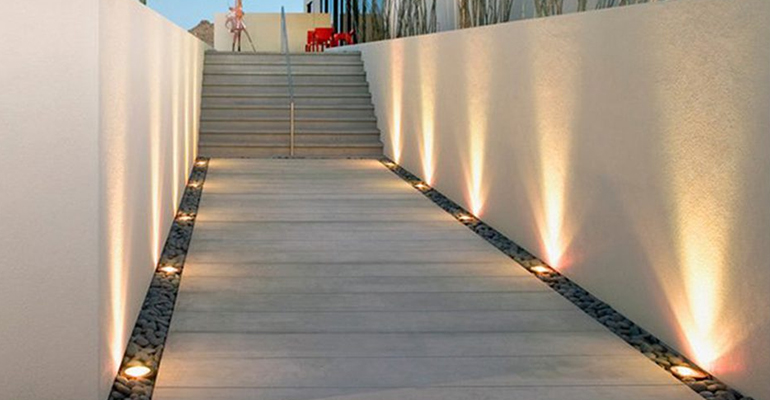
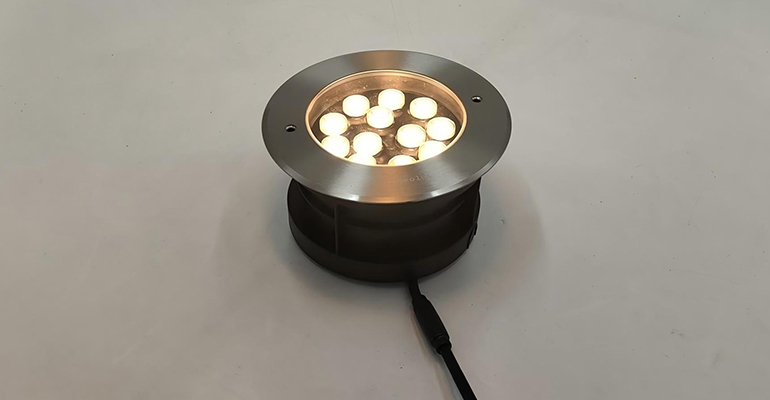
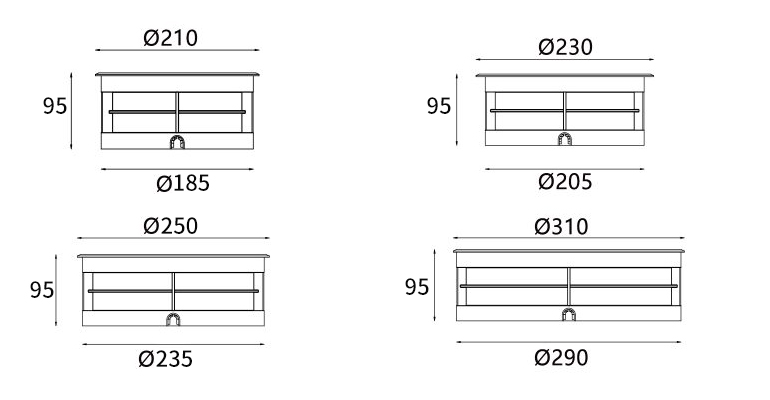
SYA-302 Round Inground Light
Underground Uplight
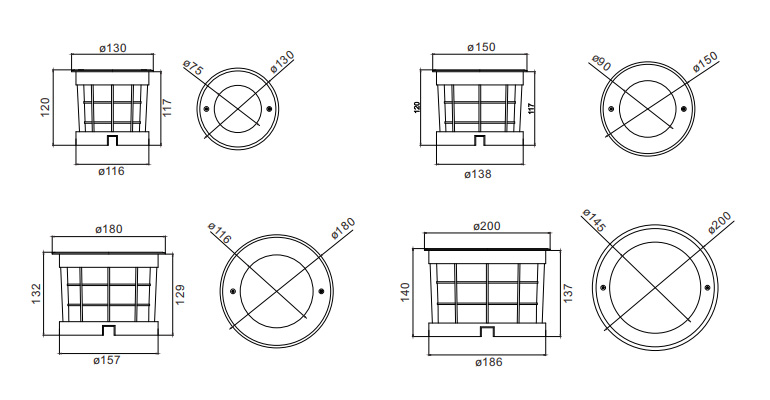
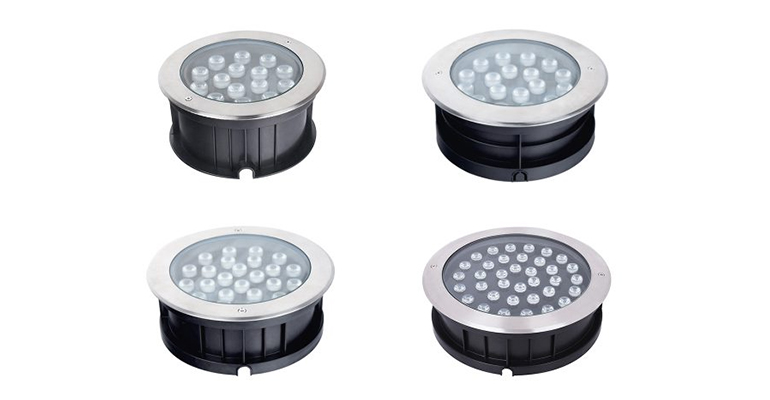
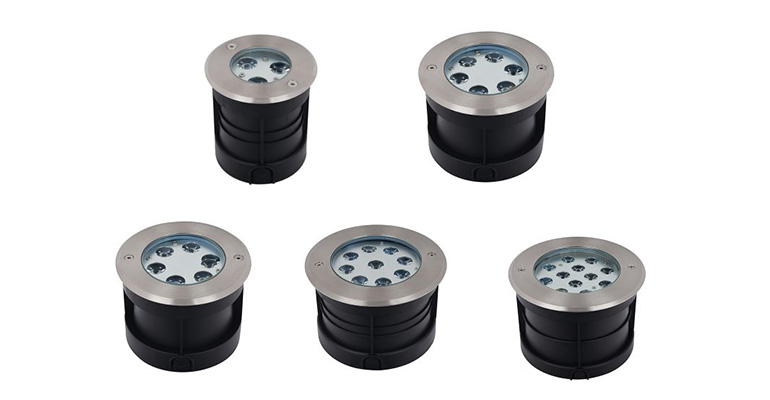
A Round Inground Light is a circular, recessed outdoor lighting fixture installed flush with the ground surface. It is commonly used for pathways, driveways, gardens, and architectural uplighting. The design ensures durability, weather resistance, and a clean, modern appearance while providing focused illumination for landscapes and structures.
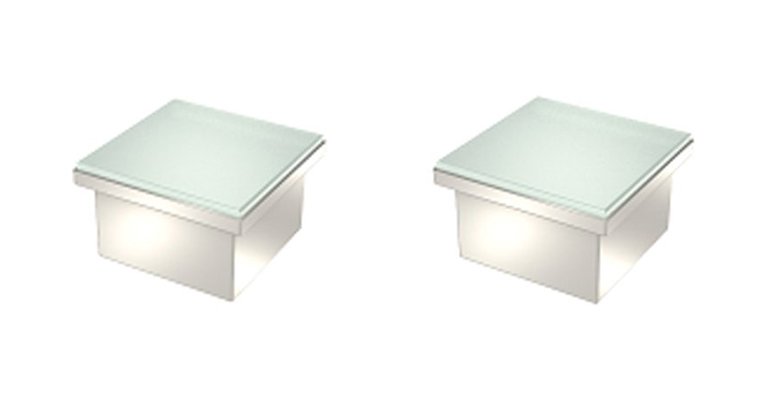


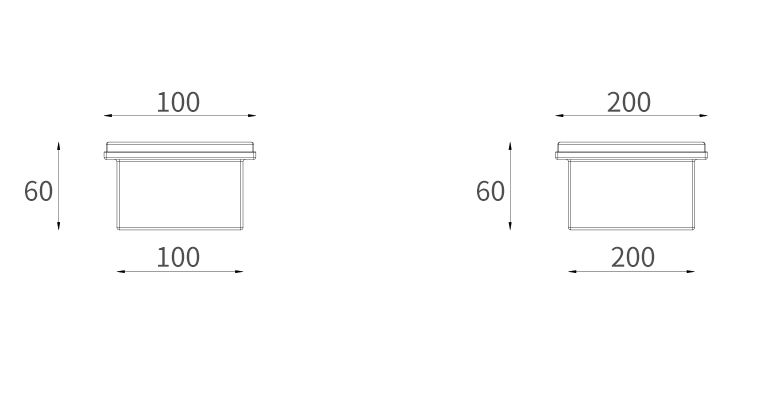
SYA-308S Square Inground Light (English Specs)
Underground Uplight
Square Inground Light is a recessed outdoor lighting fixture installed flush with the ground, commonly used for illuminating pathways, driveways, gardens, and architectural features. Its square shape provides a clean, modern look that integrates seamlessly into landscaping designs while offering efficient directional lighting.
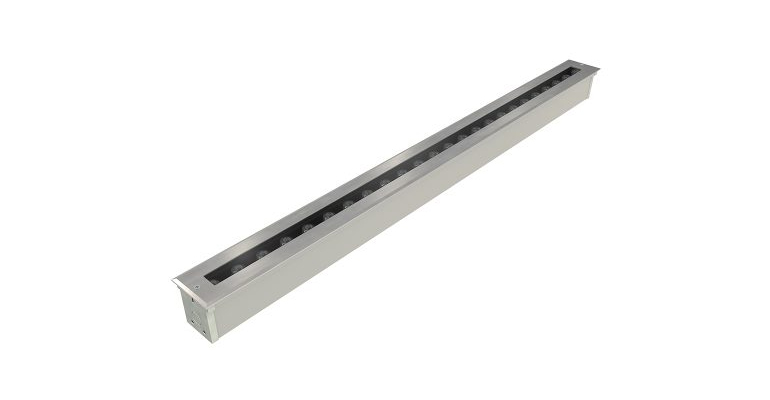
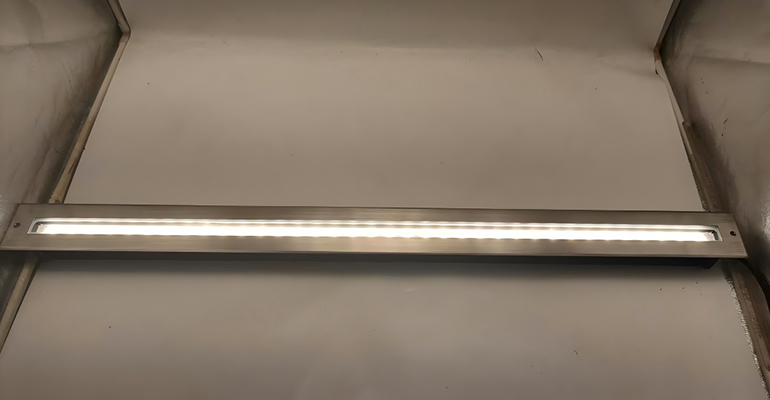
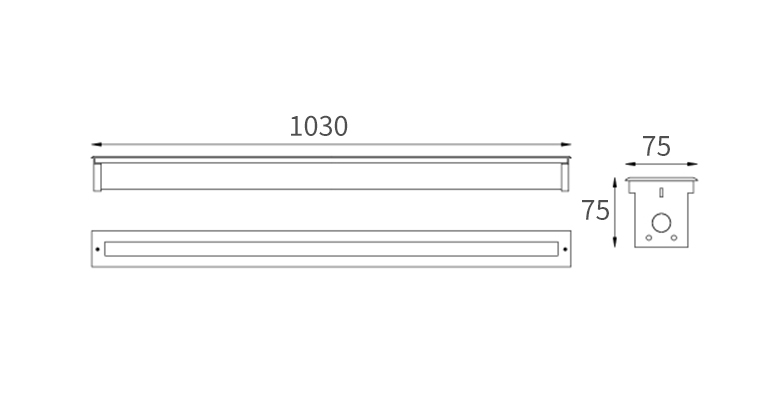
SYA-309 Linear Inground Light (Brief Specs)
Linear Underground Light
A Recessed Pool Light is a built-in underwater lighting fixture installed flush with the wall of a swimming pool. It provides soft, even illumination that enhances visibility, safety, and aesthetics during nighttime swimming. Designed for durability and waterproof performance, it blends seamlessly with the pool surface for a clean, modern look.
Why Choose Us
Superior Quality & Innovation
Our products are engineered with cutting-edge LED technology and premium materials, ensuring exceptional performance and longevity in the most demanding underwater environments.
International Certifications
CE, RoHS, FCC certified products meeting global standards
Advanced Protection
IP68 continuous immersion, 316L stainless steel housing
Latest Technology
DMX512/RDM control, RGB/RGBW options, high CRI LEDs
Comprehensive Services
FAQ Use & Operation
How Do Underground Lights Drain Water
Underground lights drain water through carefully designed housing structures, drainage channels, waterproof seals, and installation systems that prevent moisture accumulation around internal components. Since LED underground lights are installed directly into the ground, effective drainage design is essential to prevent water damage caused by rain, irrigation, and groundwater exposure.
A reliable inground light drainage design does not simply rely on waterproof sealing. It combines water-resistant construction with proper installation methods to ensure that external water can be removed while protecting electrical components. Without suitable drainage, even waterproof fixtures may experience internal moisture problems over long periods.
Why Is Drainage Important for LED Underground Lights?
Ground-installed lighting fixtures face unique environmental challenges. Unlike surface-mounted outdoor lights, underground lights are surrounded by soil, pavement, and landscape materials where water can easily collect.
Poor drainage may lead to:
Water accumulation around the fixture
Increased moisture pressure
Corrosion of internal components
Electrical failures
Reduced LED lifespan
A waterproof inground light manufacturer considers both water resistance and drainage performance during product design.
How Does Inground Light Drainage Design Work?
Effective drainage usually involves several structural elements working together.
1. Drainage Layer Around the Fixture
During installation, a drainage layer such as gravel or other water-permeable material may be placed around the fixture. This allows rainwater to move away instead of remaining trapped around the housing.
2. Waterproof Housing Structure
The fixture body must prevent water from entering sensitive electrical areas. Sealing rings, protected cable entries, and strong housing structures help maintain internal protection.
3. Water Outlet Design
Some underground lighting systems include drainage paths that guide collected moisture away from the fixture area.
The goal is not only to block water but also to manage any water exposure that occurs during outdoor operation.
What Causes Water Problems in Underground Lights?
Several installation and design issues can contribute to water-related failures.
| Cause | Possible Result |
|---|---|
| Poor installation drainage | Water remains around fixture |
| Damaged sealing parts | Moisture enters housing |
| Incorrect cable connection | Water enters through wiring area |
| Blocked drainage path | Internal pressure increases |
Understanding these causes helps improve product selection and installation quality.
How Does Waterproof Rating Support Underground Light Performance?
Waterproof ratings indicate the level of protection against external moisture, but they should be considered together with actual installation conditions.
For underground applications, important factors include:
Housing sealing quality
Cable protection
Material corrosion resistance
Drainage environment
Maintenance accessibility
A fixture with strong waterproof protection still requires proper drainage planning to achieve reliable long-term performance.
How Should LED Underground Lights Be Installed for Better Drainage?
Installation plays a major role in water management.
Recommended practices include:
Prepare a Suitable Installation Base
The area below and around the fixture should allow water movement instead of creating a sealed water pocket.
Protect Cable Connections
Cable entry points should be positioned and protected correctly to reduce the risk of water entering through wiring.
Avoid Water Collection Areas
Fixtures should not be installed in locations where water naturally gathers unless additional drainage measures are provided.
What Materials Improve Underground Light Durability?
Outdoor underground lights require materials that can withstand moisture, pressure, and environmental exposure.
Common material considerations include:
| Material Feature | Benefit |
|---|---|
| Corrosion-resistant housing | Improves outdoor durability |
| Tempered glass cover | Protects lighting surface |
| Quality sealing materials | Reduces water penetration |
| Heat-conductive structure | Maintains LED performance |
SYA Lighting develops LED underground lights with attention to waterproof structure, material durability, and outdoor application requirements.
Why Is Professional Design Important for Underground Lighting?
Underground lighting reliability depends on the relationship between product design and installation environment. A fixture that performs well in a dry landscape may require additional considerations in areas with heavy rainfall or poor soil drainage.
A professional waterproof inground light manufacturer evaluates sealing, drainage design, electrical protection, and material performance together.
Effective inground light drainage design helps prevent moisture-related failures and allows underground lighting systems to maintain stable illumination, durability, and appearance in outdoor environments.
What Is DMX512 Lighting Control
DMX512 lighting control is a digital communication system used to manage and synchronize multiple lighting fixtures through a standardized signal protocol. It allows individual lights or groups of lights to be controlled with precise adjustments, including brightness, color changes, dynamic effects, and timing sequences.
DMX512 LED lights are widely used in architectural lighting, landscape projects, fountains, stage environments, and large outdoor installations because they provide flexible control over complex lighting scenes. Compared with simple on/off systems, DMX512 outdoor lighting control allows designers to create more detailed and coordinated visual effects while improving management efficiency.
How Does DMX512 Lighting Control Work?
DMX512 works by transmitting digital control signals from a controller to multiple lighting fixtures through a communication network. Each fixture receives assigned channels that determine specific functions such as brightness, color, and movement effects.
A basic DMX lighting system usually includes:
| Component | Function |
|---|---|
| DMX Controller | Sends lighting commands |
| DMX Decoder | Converts signals for compatible fixtures |
| LED Fixtures | Execute brightness and color changes |
| Signal Cable | Transfers control information |
Each lighting fixture can be assigned a unique address, allowing the controller to manage different fixtures independently or as groups.
Why Is DMX512 Used for Outdoor Lighting Projects?
Outdoor lighting often involves multiple fixtures working together across large areas. Traditional switching methods may only provide basic control, while DMX512 outdoor lighting control offers more flexibility.
Common advantages include:
Individual fixture management
Smooth color transitions
Programmable lighting scenes
Synchronized effects
Flexible expansion options
For architectural facades, fountains, bridges, and landscape areas, DMX systems help create consistent lighting effects across multiple locations.
What Are the Benefits of DMX512 LED Lights?
Precise Color Control
RGB and RGBW fixtures can adjust red, green, blue, and white channels independently. This allows the creation of different colors and lighting atmospheres.
Dynamic Lighting Effects
DMX control can create:
Gradual color changes
Flashing effects
Sequential lighting patterns
Scheduled scenes
This is useful for decorative applications where lighting appearance changes according to events or time periods.
Centralized Management
Large installations can be controlled from one system. Operators can adjust multiple fixtures without manually accessing each unit.
How Is DMX512 Different From Simple Lighting Control?
Different control methods provide different levels of flexibility.
| Control Method | Features | Suitable Application |
|---|---|---|
| Basic switch control | Simple ON/OFF operation | Small lighting systems |
| Remote control | Limited scene adjustment | Residential applications |
| DMX512 control | Precise multi-fixture programming | Commercial and architectural lighting |
DMX512 is especially valuable when lighting design requires coordinated effects across many fixtures.
What Applications Use DMX512 Outdoor Lighting Control?
DMX512 LED lights are commonly used in environments where visual effects and precise management are important.
Typical applications include:
Architectural Facades
Building exteriors can display dynamic lighting effects by controlling multiple facade fixtures individually.
Landscape Lighting
Gardens, parks, and public spaces use DMX systems to coordinate different lighting zones.
Fountain Lighting
Color-changing fountains often require accurate synchronization between water movement and lighting effects.
Commercial Outdoor Spaces
Hotels, plazas, and entertainment areas use programmable lighting scenes to create different atmospheres.
What Should Be Considered When Selecting a DMX Lighting System?
A suitable DMX solution requires compatibility between controllers, fixtures, and communication components.
Important considerations include:
Number of fixtures in the system
Required control channels
Cable distance
Outdoor protection requirements
Future expansion needs
A professional DMX lighting system supplier evaluates the complete project requirements before recommending suitable configurations.
How Do Manufacturers Ensure DMX Lighting Reliability?
Outdoor DMX lighting systems must maintain stable communication and performance in challenging environments.
Important quality factors include:
Waterproof fixture design
Stable signal transmission
Electrical protection
Reliable connectors
Long-term aging tests
SYA Lighting provides DMX512 LED lights with flexible control options for architectural and outdoor lighting applications.
DMX512 technology transforms outdoor lighting from simple illumination into a programmable visual system. Through precise control, synchronized operation, and flexible programming, it helps create more attractive and efficient lighting environments.
How Do You Prevent Wall Washer Glare
Wall washer glare can be reduced by controlling beam direction, selecting suitable optics, adjusting installation distance, limiting excessive brightness, and using shielding structures where necessary. LED wall washer lights should illuminate architectural surfaces without directing uncomfortable light toward pedestrians, drivers, windows, or normal viewing positions.
Effective wall washer glare control begins during lighting design rather than after installation. Fixture position, beam angle, mounting height, facade material, lumen output, and viewing direction all influence whether a lighting system appears comfortable or overly bright. Good facade lighting reveals architectural form while keeping the light source visually controlled.
What Causes Glare From LED Wall Washer Lights?
Glare usually occurs when excessive light enters the viewer's eyes directly or reflects strongly from a surface.
Typical causes include:
Fixtures aimed too far away from the facade
Beam angles that are too wide
Excessive lumen output
Installation positions close to eye level
Strong reflection from glass or metal surfaces
Poorly controlled optical systems
A fixture can therefore have good efficiency but still create poor visual comfort when its beam is not correctly managed.
How Should Beam Angle Be Selected?
Beam angle should match both facade height and installation distance.
Narrow beams concentrate light and are useful when fixtures are farther from the target or need to reach taller sections. Wider beams distribute light across larger surfaces but increase the chance of spill light when used incorrectly.
For wall washer glare control, the beam should cover the intended facade area without extending significantly beyond it.
Narrow Optics
Suitable for columns, vertical architectural details, and taller surfaces.
Medium Optics
Useful for general facade washing where balanced coverage is required.
Wide Optics
Suitable for short installation distances and broad surfaces, but they require careful aiming to avoid spill light.
How Does Installation Position Reduce Glare?
Fixture placement often has a greater impact on glare than wattage.
LED wall washer lights positioned close to the facade usually direct more of their output onto the target surface. When fixtures are installed farther away, the aiming angle becomes more important because uncontrolled light may enter nearby viewing zones.
Installation planning should consider:
Distance from wall
Mounting height
Viewing direction
Pedestrian circulation
Nearby windows
Surface reflectivity
The light source should ideally remain outside common direct sightlines.
Can Shields and Optical Accessories Help?
Yes. Shielding accessories are useful when fixture placement alone cannot eliminate unwanted light.
Common solutions include:
| Glare Control Method | Main Function |
|---|---|
| Visor or shield | Blocks direct view of the light source |
| Honeycomb louver | Reduces side glare |
| Narrow lens | Limits beam spread |
| Adjustable bracket | Improves aiming accuracy |
These accessories are particularly useful near entrances, public walkways, hotels, and residential-facing facades.
A low glare lighting manufacturer should consider optical accessories as part of the complete fixture system rather than relying only on lower wattage.
Does Lower Brightness Always Reduce Glare?
Lowering brightness can help, but it is not always the best solution. A poorly aimed low-power fixture can still produce uncomfortable glare, while a higher-output fixture with precise optics may provide better visual comfort.
Brightness should therefore be balanced with:
Beam distribution
Mounting position
Surface brightness
Viewing distance
Ambient light levels
SYA Lighting develops LED wall washer lights with different optical options to support varied architectural lighting requirements.
How Do Facade Materials Affect Glare?
Smooth materials such as glass, polished metal, and glossy stone can create strong reflected glare. Rough concrete, textured stone, and matte surfaces diffuse light more evenly.
This means the same fixture may behave differently on two buildings. Lighting tests or project simulations are useful when reflective surfaces dominate the facade.
What Creates a Comfortable Wall Washer Lighting Effect?
Comfortable facade lighting does not mean making the wall as bright as possible. The objective is controlled illumination with clear architectural definition and minimal stray light.
Proper wall washer glare control combines accurate optics, sensible brightness, suitable mounting positions, and careful aiming. When these factors are coordinated, wall washer lighting can produce strong architectural impact without creating unnecessary visual discomfort.
What Causes Outdoor LEDs to Fail
Outdoor LED lights usually fail because of moisture penetration, excessive heat, unstable power supply, poor sealing, component aging, or unsuitable installation conditions. Although LED technology offers long operating life, outdoor fixtures work under much harsher conditions than indoor products, where rain, dust, ultraviolet exposure, temperature changes, and electrical fluctuations continuously affect performance.
Understanding common outdoor LED failure causes helps project planners select fixtures that remain stable over years of operation rather than simply looking at initial brightness or wattage. Housing construction, driver quality, heat dissipation, waterproof design, and installation practice all contribute to the real service life of an outdoor lighting system.
Why Does Water Cause Outdoor LED Failure?
Moisture is one of the most frequent causes of outdoor lighting problems. Water may enter through cable glands, joints, damaged seals, lenses, or incorrectly assembled housings.
Once moisture reaches internal components, it can cause:
Driver corrosion
PCB oxidation
Electrical short circuits
Flickering or unstable output
Gradual reduction in brightness
Reliable outdoor LED lights therefore require more than a waterproof label. The sealing structure, connector design, gasket quality, and assembly accuracy must work together.
SYA Lighting considers waterproof construction and outdoor operating conditions during fixture development so that sealing performance is matched to the intended installation environment.
How Does Heat Reduce LED Lifespan?
LED chips generate heat whenever they operate. If this heat cannot move efficiently from the LED board to the housing and surrounding air, internal temperatures increase.
Excessive heat may accelerate:
LED lumen depreciation
Driver component aging
Color shift
Insulation deterioration
Good thermal management typically combines an aluminum housing, suitable heat conduction paths, efficient LED chips, and sufficient internal space.
A fixture with higher wattage is not automatically better. Stable operating temperature is often more important for long-term reliability.
Can Power Supply Problems Damage Outdoor LEDs?
Yes. Voltage fluctuations, poor-quality drivers, surge events, and incorrect power supplies can all damage outdoor fixtures.
| Electrical Issue | Possible Result |
|---|---|
| Voltage fluctuation | Flickering or unstable output |
| Surge current | Driver or PCB damage |
| Incorrect voltage | Immediate or gradual failure |
| Low-quality driver | Reduced fixture lifespan |
For large architectural installations, surge protection and compatible control systems should be considered at the design stage.
Why Do Outdoor Materials Matter?
Outdoor housings continuously face rain, sunlight, temperature variation, and sometimes salt or chemical exposure. Materials that perform well indoors may deteriorate quickly outside.
Important considerations include corrosion-resistant metals, UV-resistant lenses, durable coatings, and reliable stainless steel fasteners. Coastal environments require especially careful material selection because chloride exposure can accelerate corrosion.
A reliable outdoor lighting supplier should match housing material and protection level to the actual application instead of treating all outdoor sites the same.
How Does Installation Influence Outdoor LED Reliability?
Even a well-manufactured fixture can fail when installation is incorrect. Cable joints left unprotected, blocked drainage, unsuitable mounting angles, or damaged seals can reduce waterproof performance.
Installers should verify:
Correct input voltage and wiring
Waterproof cable connections
Secure fixture mounting
Sufficient ventilation where required
No standing water around electrical connections
Outdoor lighting reliability therefore depends on both product quality and installation quality.
How Can Outdoor LED Failure Be Reduced?
The most effective approach is to consider the entire lighting system rather than one specification. Waterproof protection, thermal design, driver quality, materials, surge protection, and installation should be evaluated together.
Understanding outdoor LED failure causes makes it easier to identify weak points before installation. Fixtures selected according to real environmental conditions generally provide more stable brightness, lower maintenance frequency, and better long-term project performance.
How Do Solar Lawn Lights Charge
Solar lawn lights charge by converting sunlight into electrical energy through solar panels, storing that energy in rechargeable batteries, and using the stored power to illuminate LED light sources at night. During the daytime, the solar panel absorbs sunlight and transfers energy to the battery. When natural light decreases, the control system activates the LEDs automatically.
Solar lawn lights are widely used in gardens, pathways, outdoor landscapes, and residential areas because they can operate without direct electrical wiring. A reliable solar charging system depends on solar panel efficiency, battery capacity, lighting power, and environmental conditions. :chatgpt-content-reference{index="0"}
For manufacturers and suppliers, understanding solar lawn light charging technology is essential because charging performance directly affects brightness stability, working hours, and product lifespan.
What Are the Main Components of Solar Lawn Light Charging Systems?
A solar lawn light charging system includes several key components that work together.
| Component | Function |
|---|---|
| Solar panel | Converts sunlight into electrical energy |
| Rechargeable battery | Stores energy for nighttime operation |
| LED module | Provides efficient lighting output |
| Controller | Manages charging and automatic operation |
The performance of each component influences the overall reliability of solar garden lighting systems.
How Does the Solar Panel Charge the Battery?
The solar panel is the energy collection part of the system. During daylight hours, photovoltaic cells convert solar energy into electricity and send it to the rechargeable battery.
Charging efficiency depends on:
Sunlight intensity
Solar panel size
Panel conversion efficiency
Installation angle
Weather conditions
A solar lawn light placed in direct sunlight generally receives more energy than one installed in shaded areas.
How Long Does It Take Solar Lawn Lights to Charge?
Charging time varies depending on weather, location, and product design.
Typical factors include:
| Factor | Impact on Charging |
|---|---|
| Strong sunlight | Faster battery charging |
| Cloudy weather | Slower energy collection |
| Larger solar panel | More charging capacity |
| Higher battery capacity | Longer charging requirement |
Most solar garden light systems are designed to collect energy during the day and provide illumination throughout the night when properly installed.
What Affects Solar Lawn Light Charging Performance?
Several environmental and technical factors influence charging results.
1. Installation Location
The solar panel should receive sufficient direct sunlight. Locations blocked by buildings, trees, or other objects may reduce charging efficiency.
2. Solar Panel Cleanliness
Dust and dirt on the panel surface can reduce sunlight absorption. Regular cleaning helps maintain charging performance.
3. Battery Quality
The battery determines how much energy can be stored and released at night. A high-quality battery improves operating stability and service life.
4. LED Efficiency
Efficient LED modules require less energy while maintaining suitable brightness, allowing stored power to last longer.
How Do Solar Lawn Lights Work at Night?
After charging during the day, the stored energy powers the LED module after sunset. A built-in light sensor detects environmental brightness and automatically controls the switching process.
This automatic operation provides:
Energy-saving performance
Simple installation
Reduced wiring requirements
Convenient outdoor lighting control
What Should Manufacturers Consider When Producing Solar Lawn Lights?
A solar garden light manufacturer needs to balance energy collection, lighting performance, and outdoor durability.
Important production considerations include:
Waterproof Structure
Outdoor products must resist rain, humidity, and temperature changes.
Battery Protection
Battery management affects charging cycles and long-term reliability.
Solar Efficiency
The solar panel should match the lighting power requirement to ensure stable operation.
Housing Durability
Materials should withstand outdoor exposure while maintaining appearance.
SYA Lighting focuses on outdoor lighting solutions with attention to energy efficiency, structural reliability, and stable performance.
How Can Solar Charging Efficiency Be Improved?
Improving charging efficiency requires proper product design and installation conditions.
Effective methods include:
Installing lights in open sunny areas
Keeping solar panels clean
Selecting suitable battery capacity
Matching LED power with solar charging ability
Solar lawn lights combine renewable energy technology with efficient LED lighting. Through optimized charging systems and reliable components, they provide practical illumination for outdoor environments while reducing dependence on traditional power sources.
What Beam Angle Suits Tall Facades
The suitable beam angle for tall facades depends on building height, installation distance, facade structure, and the desired lighting effect. For high-rise buildings and large architectural surfaces, narrow beam angles are usually preferred because they can project light over longer distances and create focused vertical illumination. However, the ideal beam angle is not determined by height alone. Material texture, viewing distance, and lighting design objectives also influence the final selection.
LED facade lights require precise optical control to achieve balanced brightness from the bottom to the top of a building. A beam angle that is too wide may create weak illumination on upper sections, while an overly narrow beam may produce uneven light patterns. Professional facade lighting design combines optical performance, fixture position, and architectural characteristics to create a consistent nighttime appearance.
Why Is Beam Angle Important for Tall Facade Lighting?
Beam angle determines how widely light spreads after leaving the fixture. In tall facade applications, the wrong beam angle can reduce lighting efficiency and affect the overall visual quality.
A narrow beam concentrates light into a smaller area, allowing stronger illumination at longer distances. A wider beam distributes light across a larger surface but may require more fixtures or closer installation spacing.
For tall buildings, beam selection affects:
Vertical light coverage
Brightness uniformity
Energy efficiency
Architectural detail visibility
Glare control
A facade lighting solution provider evaluates these factors before selecting suitable LED facade lights.
Which Beam Angles Are Commonly Used for Tall Facades?
Different beam angles create different architectural effects.
| Beam Angle | Lighting Effect | Suitable Application |
|---|---|---|
| 5°–10° | Strong concentrated beam | Tall columns, narrow architectural details |
| 10°–25° | Focused vertical illumination | High-rise facades, building edges |
| 30°–45° | Balanced wall washing | Medium-height buildings |
| 60°+ | Wide surface coverage | Low buildings and large wall areas |
For very tall facades, narrow and medium beam angles are often combined to create layered lighting effects.
How Does Installation Distance Affect Beam Angle Selection?
The distance between the fixture and the facade directly influences the required beam angle.
When fixtures are installed close to a wall, a wider beam can cover more surface area. However, when the installation position is farther away, a narrower beam is usually needed to maintain sufficient brightness.
For example:
Close installation: wider beam angles help create smooth wall washing.
Long-distance installation: narrow beams improve light concentration.
Complex facades: multiple beam angles may be combined.
Proper positioning prevents uneven brightness and reduces unnecessary light loss.
How Do Facade Materials Influence Beam Choice?
Different building materials reflect and absorb light differently.
Glass Facades
Glass surfaces reflect light strongly. Controlled beam angles help reduce excessive glare and unwanted reflections.
Stone and Concrete Facades
Textured materials benefit from directional lighting. Narrow beams can emphasize surface details and create stronger depth.
Metal Facades
Metal surfaces may produce strong reflections, requiring careful beam control to maintain comfortable viewing conditions.
The combination of LED facade lights and suitable beam angles allows different materials to show their architectural characteristics at night.
What Beam Angle Creates Better Architectural Effects?
Beam angle selection depends on the intended visual style.
Wall Washing Effect
Wall washing requires more even light distribution across a large surface. Medium beam angles are commonly used to create smooth brightness.
Grazing Effect
Grazing emphasizes textures and surface details. Narrow beams positioned close to the wall can create dramatic shadows and depth.
Accent Lighting
Architectural features such as entrances, columns, and decorative elements usually require concentrated beams for visual focus.
How Do Manufacturers Control Beam Accuracy?
Optical performance depends on lens design, LED arrangement, and fixture structure. A professional manufacturer tests beam distribution to ensure the actual output matches the designed lighting effect.
Important quality factors include:
Beam angle accuracy
Light distribution testing
Brightness consistency
Thermal performance
Waterproof protection
SYA Lighting develops LED facade lights with different optical configurations to support various architectural applications.
Why Should Tall Facade Lighting Avoid Excessive Brightness?
Increasing brightness does not always improve facade appearance. Excessive output may cause glare, uneven contrast, and unnecessary energy consumption.
A well-designed lighting system focuses on:
Correct beam angle
Suitable installation distance
Balanced brightness
Proper color temperature
The goal of tall facade lighting is to reveal architectural features while maintaining visual comfort. A carefully selected beam angle helps create a clean, attractive, and efficient nighttime facade appearance.