



Your Reliable LED Underwater Lights Series Manufacturers
LED underwater lights are specialized lighting fixtures designed to operate safely and efficiently beneath the water’s surface, delivering vivid illumination for pools, fountains, ponds, marine structures, and decorative water features. They use durable waterproof housings, energy-saving LED chips, and corrosion-resistant materials to create stable lighting effects even in long-term submerged environments. These lights enhance visibility, improve ambiance, and support both functional and aesthetic applications by offering versatile color options, long service life, and reliable performance under varying depths and water conditions.
Request A QuoteThree Major Series Of Application Scenarios


Main Products

SYA-201 12V Underwater Lights
LED Underwater Lights Series
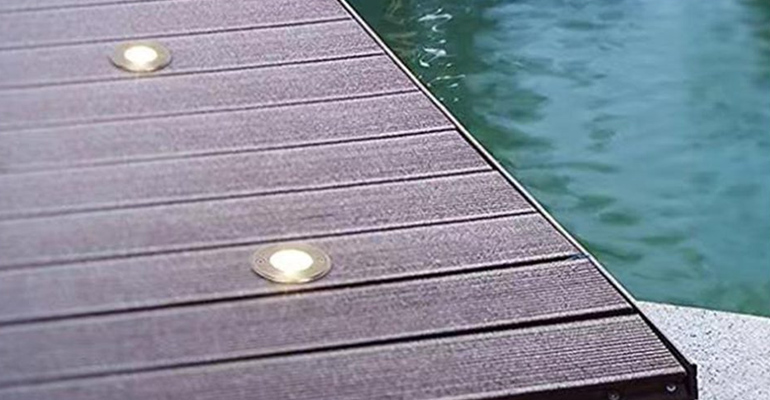
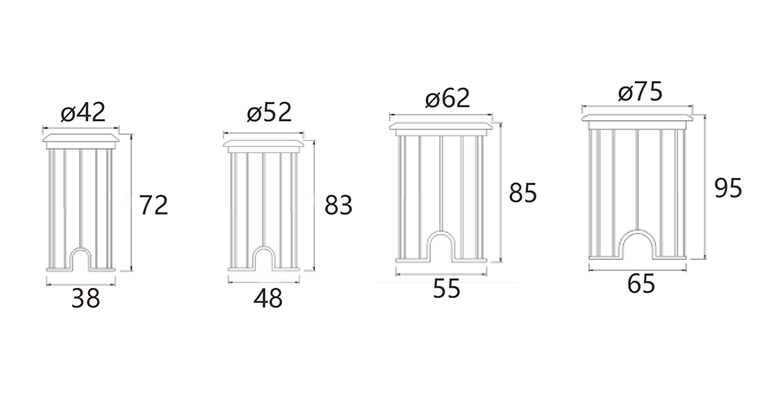
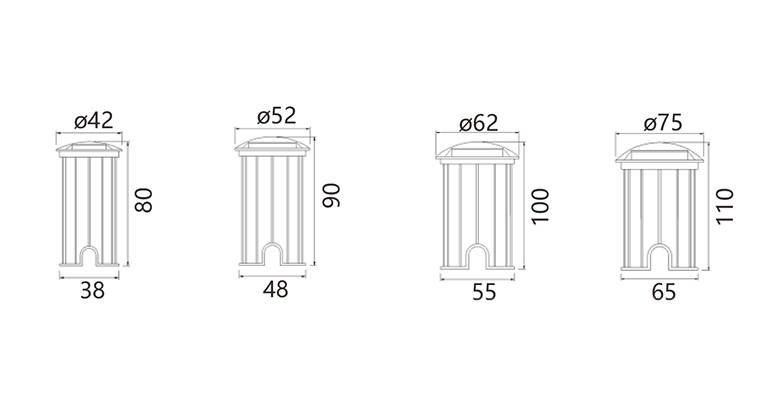
SYA-201 12V Underwater Lights are designed for pools, fountains, landscape water features, commercial water displays and waterfront projects. With IP68 protection, 304 or 316 stainless steel housing, optional LED brands, flexible beam angles and DMX512 control, this model supports OEM/ODM lighting projects, wholesale supply and bulk order needs for professional project buyers.
SYA-202 Waterproof LED Pool Lights
LED Underwater Lights Series
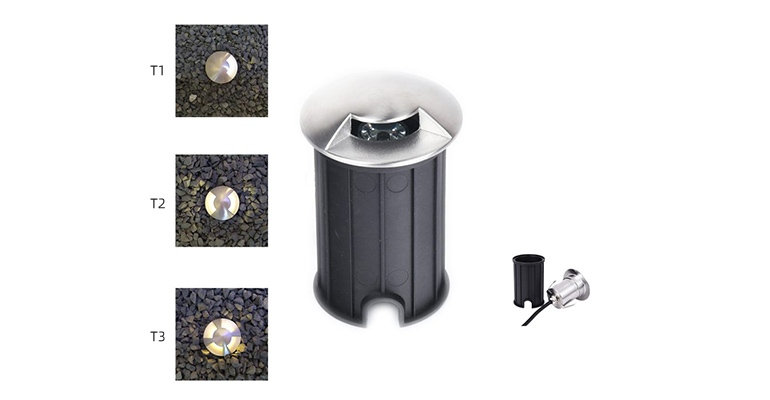
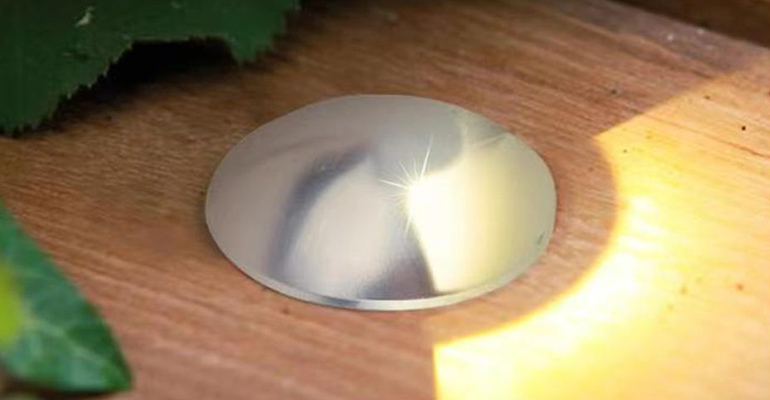
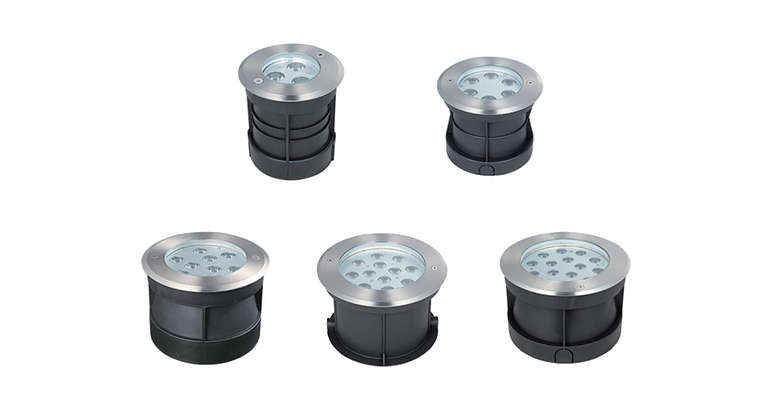
Waterproof LED pool lights are specialized underwater lighting fixtures designed to illuminate swimming pools, spas, fountains, and other water features while remaining fully protected against moisture and submersion. They use energy-efficient LEDs to deliver bright, stable, and long-lasting illumination, creating visual ambiance and enhancing nighttime safety around the water. Built with sealed housings, durable lenses, and corrosion-resistant materials, these lights maintain consistent performance even in chlorinated or saltwater environments, making them ideal for both residential and commercial pools.
SYA-203 Underwater Pool Lights
LED Underwater Lights Series
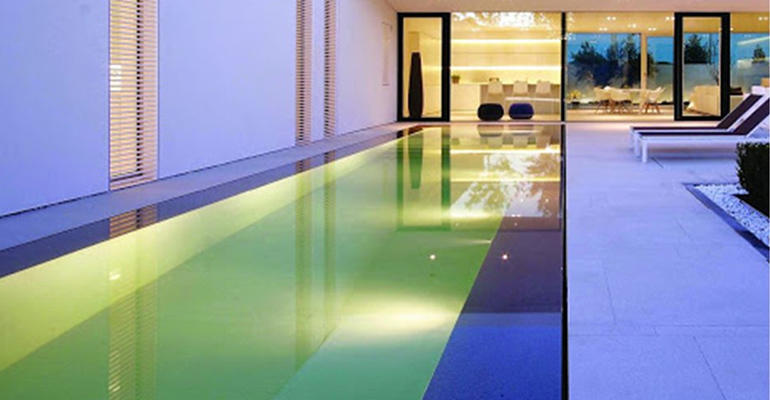
Underwater pool lights are specialized lighting fixtures designed to operate safely beneath the waterline, illuminating swimming pools with consistent brightness and enhanced visual clarity. They create a clear, inviting environment for night swimming and improve overall visibility for safety. These lights are typically built with waterproof housings, durable lens materials, and sealed electrical components to withstand long-term submersion. Underwater pool lights also contribute to aesthetic appeal by adding color effects and highlighting the pool’s structure.
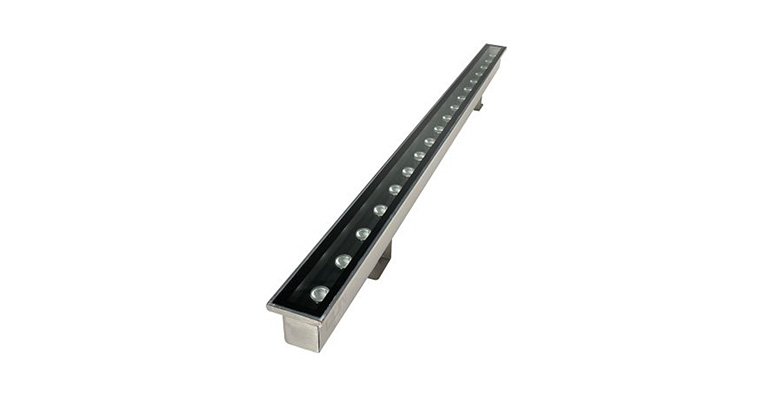


SYA-205 Recessed Underwater Light
LED Underwater Lights Series
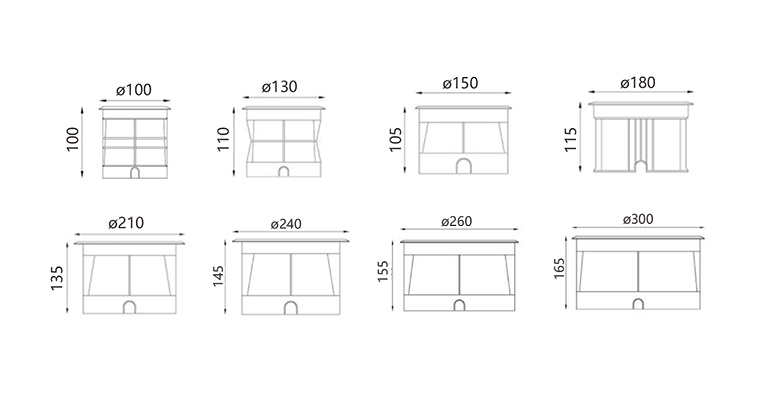
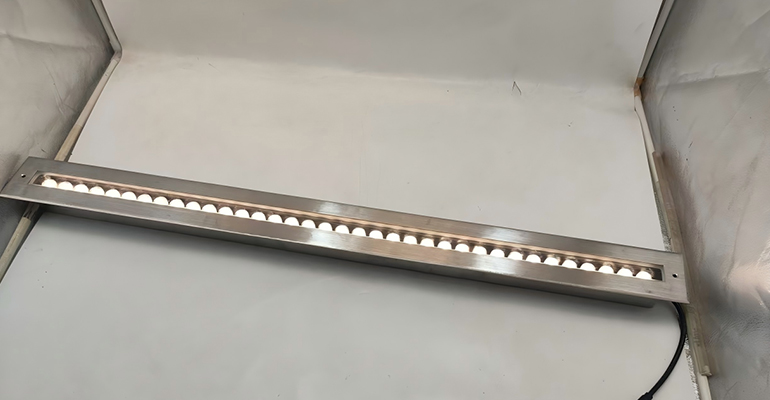
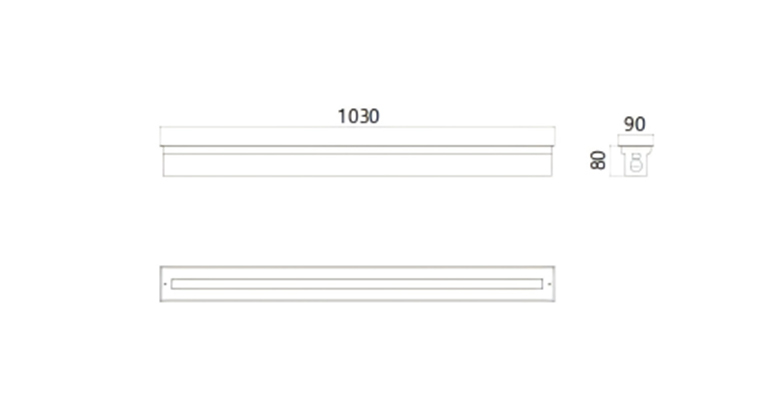
A Recessed Underwater Light is a built-in lighting fixture designed to be installed flush within surfaces submerged in water, such as pool walls, fountains, ponds, and water features. Instead of protruding from the structure, the light body is embedded into the wall recess, creating a clean, safe, and visually seamless appearance. This design helps maintain smooth underwater surfaces while providing stable and focused illumination. Recessed Underwater Lights are commonly used to enhance aesthetics, improve nighttime visibility, and create premium ambient lighting for residential, commercial, and public aquatic spaces.
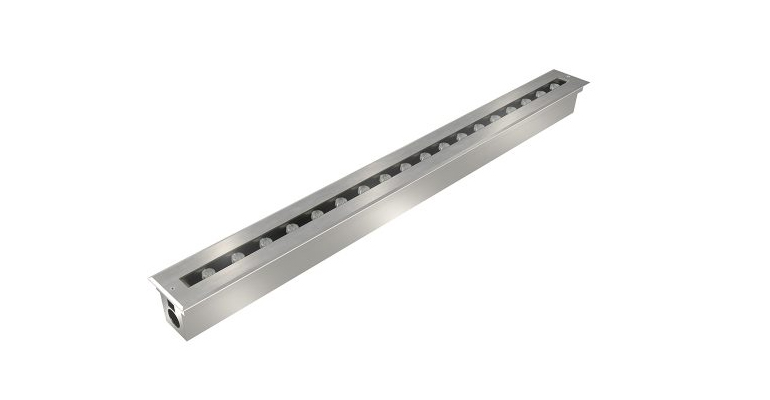
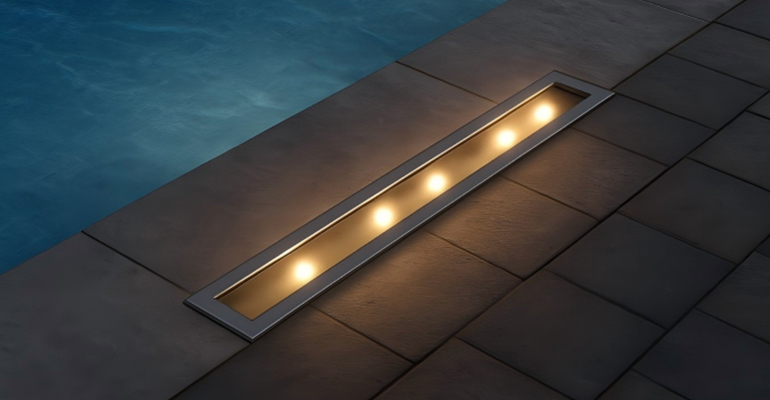
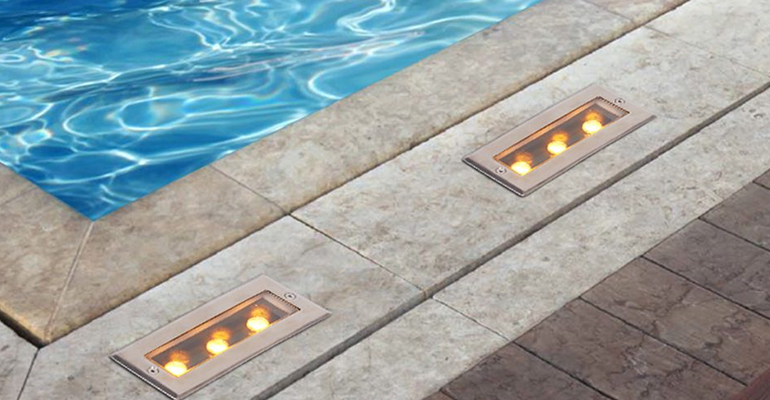
SYA-204 Recessed Pool Light
LED Underwater Lights Series
A Recessed Pool Light is a built-in underwater lighting fixture installed flush with the pool wall, designed to create a clean, modern look while providing uniform illumination. It enhances visibility, safety, and ambiance for night swimming, often using energy-efficient LED technology and waterproof materials.
Why Choose Us
Superior Quality & Innovation
Our products are engineered with cutting-edge LED technology and premium materials, ensuring exceptional performance and longevity in the most demanding underwater environments.
International Certifications
CE, RoHS, FCC certified products meeting global standards
Advanced Protection
IP68 continuous immersion, 316L stainless steel housing
Latest Technology
DMX512/RDM control, RGB/RGBW options, high CRI LEDs
Comprehensive Services
FAQ Use & Operation
What Is Outdoor Lighting System Integration?
Outdoor lighting system integration means combining lighting fixtures, power supplies, control systems, wiring, installation structure, and maintenance planning into one complete project solution. A good outdoor lighting system integration plan ensures that all parts work together smoothly, especially in large outdoor projects.
What System Integration Includes
Outdoor lighting is not only about buying lamps. A complete system includes product selection, control protocol, power calculation, cable routing, mounting structure, waterproof treatment, and commissioning.
For RGB, RGBW, and smart lighting projects, integration becomes even more important because lighting effects depend on both fixtures and control systems.
Main Components
| Component | Function | Key Checkpoint |
|---|---|---|
| LED fixture | Creates lighting effect | Wattage and beam angle |
| Power supply | Provides stable electricity | Load capacity |
| Controller | Manages scenes | Protocol matching |
| Cable | Connects system | Voltage drop |
| Connector | Protects wiring | Waterproof level |
| Mounting bracket | Supports installation | Strength and angle |
Lighting Control Systems
Lighting control systems are used to manage brightness, color, timing, and lighting scenes. DMX512 is commonly used for architectural and RGB lighting. DALI, wireless control, and smart platforms may also be used depending on project size and function.
Control zones should be planned carefully. A building façade, landscape area, bridge, or plaza may need different scenes and brightness levels. Poor zone planning can make the system difficult to operate.
Smart Lighting Integration
Smart lighting integration allows lighting to work with schedules, sensors, remote control, or management platforms. This can reduce manual operation and improve energy use. For example, a commercial plaza may use full lighting before closing time and lower brightness after midnight.
Smart functions should be practical. Over-complicated systems can increase commissioning difficulty and maintenance cost.
Waterproof and Wiring Integration
Outdoor systems must handle rain, dust, humidity, and temperature changes. Even high-quality fixtures can fail if cable joints are not protected. Waterproof connectors, sealed junction boxes, and proper cable routing are essential.
For lighting system integration project planning, power distance and voltage drop should be calculated before installation. This is especially important for low-voltage LED systems.
Product Matching
Different outdoor products may be used in the same project, such as wall washer lights, linear lights, inground lights, underwater lights, garden spotlights, and flood lights. These products must match in color temperature, control method, finish, and installation accessories.
SYA Lighting supports outdoor lighting system solution needs with multiple outdoor LED product types and project-based customization. This helps keep the lighting effect consistent across different project areas.
Final Recommendation
Outdoor lighting system integration connects products, power, control, wiring, installation, and maintenance into one coordinated solution. Proper planning reduces installation risk, improves lighting effect, and supports long-term operation. For large outdoor projects, integration should be confirmed before mass production and installation.
How to Improve Lighting Energy Efficiency?
Improving lighting energy efficiency means achieving the required brightness and visual effect with lower power consumption, better control, and longer service life. For outdoor and commercial projects, lighting energy efficiency improvement can reduce electricity cost, maintenance pressure, and unnecessary light waste.
Select High-Efficiency LED Fixtures
LED lighting is widely used because it offers better energy performance than many traditional lighting technologies. According to energy efficiency data from public energy agencies, LED lighting can use much less electricity than traditional incandescent lighting and can last much longer under proper working conditions.
For project lighting, efficiency should be judged by lumen output, optical design, driver efficiency, and actual installation effect. Wattage alone is not enough.
Use Proper Beam Angle
Wrong beam angle often causes wasted light. A light that is too wide may spill into unwanted areas. A beam that is too narrow may require more fixtures to cover the same surface.
| Design Issue | Energy Problem | Better Solution |
|---|---|---|
| Beam too wide | Light waste | Match beam to target area |
| Over-bright design | Higher power use | Use correct lux level |
| Poor control zoning | Unnecessary operation | Divide lighting zones |
| Low-quality driver | Energy loss | Use stable driver |
| No dimming | Fixed high output | Add control system |
Add Smart Control
Smart control can improve energy saving led lighting performance by adjusting brightness according to time and usage. For example, commercial façade lighting can operate at full brightness during peak hours and reduce brightness later at night.
Time scheduling, dimming, motion sensing, and zone control are all useful methods. These are especially helpful for parks, plazas, building façades, and landscape lighting systems.
Improve Optical Design
A good lens or reflector can direct light more accurately. This means fewer fixtures may be needed to reach the desired result. For outdoor wall washer lights, optical design affects uniformity, brightness, and energy use.
For landscape lighting, accurate optical control can highlight trees, walls, and pathways without excessive spill light.
Choose Durable Products
Energy efficiency is not only about power consumption. If lights fail early, replacement, labor, and transport increase the total cost. Durable outdoor LED fixtures with good heat dissipation and stable drivers support long-term efficiency.
SYA Lighting provides outdoor LED solutions for façade, landscape, commercial, and municipal projects. Product options include wall washer lights, linear lights, inground lights, underwater lights, garden spotlights, and projector lights.
Plan System Layout Carefully
A good lighting layout reduces repeated lighting and dark areas. Before installation, the project should confirm target areas, mounting height, beam angle, control zones, and power supply positions. This helps improve lighting effect while reducing unnecessary wattage.
Final Recommendation
To improve lighting energy efficiency, combine efficient LED fixtures, correct optics, smart control, durable structure, and good system planning. Practical led energy saving solutions should reduce electricity use without weakening the required lighting effect.
What Is Architectural Lighting Solution?
Architectural lighting solution is a complete lighting plan designed for buildings, façades, entrances, public spaces, bridges, hotels, commercial complexes, and landmark projects. A good architectural lighting solution does not simply install lamps on a building. It combines lighting effect, fixture selection, control system, installation method, energy use, and maintenance planning.
Purpose of Architectural Lighting
Architectural lighting helps a building show its structure and identity at night. It can highlight lines, textures, materials, entrances, columns, walls, and roof shapes. For commercial buildings, lighting also supports brand image and visitor experience.
Common goals include:
Enhancing building visibility at night
Creating a premium façade effect
Improving entrance recognition
Supporting city nightscape design
Reducing glare and light waste
Product Selection for Building Lighting
Different building areas need different lighting products. Wall washer lights are suitable for broad façade surfaces. Linear lights are used for outlines and edges. Projector lights support long-distance illumination. Inground lights can highlight columns and walls from the base.
| Building Area | Suitable Product | Design Focus |
|---|---|---|
| Main façade | Wall washer light | Uniform light distribution |
| Building edge | Linear light | Clean outline effect |
| Entrance | Projector or downlight | Safe brightness |
| Column base | Inground light | Upward accent |
| Landscape area | Garden spotlight | Soft atmosphere |
Facade Lighting System Planning
A facade lighting system should be planned according to building height, surface material, viewing distance, and installation position. Glass, stone, metal panels, and concrete reflect light differently. The same wattage may create different results on different surfaces.
Beam angle selection is very important. Narrow beams can create strong vertical effects, while wider beams are better for smooth wall coverage. Poor beam matching may cause dark areas or excessive glare.
Control and Scene Design
Modern architectural lighting often uses DMX512, DALI, or smart control systems. RGB and RGBW lighting can create festival scenes, commercial events, and dynamic façade effects. White light systems can use dimming control to reduce energy use late at night.
For architectural lighting project solution, the control system should be planned together with power supply, cable routing, and lighting zones.
Durability for Outdoor Use
Architectural lighting fixtures usually operate every night and are installed in difficult-to-access positions. Therefore, outdoor durability is essential. Waterproof protection, heat dissipation, anti-corrosion housing, stable drivers, and strong mounting brackets should be checked before ordering.
SYA Lighting provides wall washer lights, linear lights, projector lights, garden spotlights, inground lights, underwater lights, and other outdoor LED products for building lighting design. Products can be matched to different façade structures and project requirements.
Maintenance Planning
A complete building lighting design should consider maintenance from the beginning. Drivers, controllers, and cable joints should be placed where technicians can access them. Standardized product models and spare parts can make future replacement easier.
Final Recommendation
Architectural lighting solution is a full project system covering design effect, product selection, control method, installation structure, and maintenance. A successful facade lighting system design should make the building attractive at night while keeping operation stable and energy use reasonable.
How to Choose Underwater Lighting Supplier?
Reliable underwater lighting depends heavily on supplier experience, waterproof structure, material quality, and project support. When choosing an underwater lighting supplier, buyers should not only compare product appearance or wattage. The key is whether the supplier can provide stable products for fountains, pools, ponds, waterscapes, and outdoor landscape projects.
Check Real Waterproof Capability
Underwater lights are usually exposed to continuous water pressure. Unlike ordinary outdoor lighting, they cannot rely only on basic rain protection. IP68 is commonly required for underwater applications, and the sealing structure must be designed for long-term immersion.
A professional supplier should explain how the product is sealed, what cable outlet structure is used, and whether the lamp has passed immersion testing before shipment.
Material Selection Is Critical
Underwater lighting often works in fountains, pools, artificial lakes, and humid outdoor areas. Stainless steel, tempered glass, silicone seals, and corrosion-resistant screws are important materials. For some projects, 316 stainless steel is preferred because it offers stronger corrosion resistance than 304 stainless steel in more demanding environments.
| Key Part | Recommended Focus | Why It Matters |
|---|---|---|
| Housing | Stainless steel or strong aluminum | Corrosion resistance |
| Glass | Tempered glass | Pressure and impact resistance |
| Seal | Silicone gasket | Long-term waterproofing |
| Cable | Waterproof cable outlet | Reduces leakage risk |
| Driver | Stable low-voltage system | Safer operation |
Choose Safe Voltage Design
Many underwater lighting projects use low-voltage systems such as 12V or 24V for safety. The power supply must match the total wattage and installation distance. Long cable runs can cause voltage drop, so cable size and power layout should be checked early.
A good waterproof led supplier should help review power matching and wiring plans before mass production.
Evaluate Fountain Project Experience
Fountain lights often need RGB or RGBW color changing, DMX control, and synchronized effects. This requires not only waterproof fixtures but also stable signal control. A fountain lighting manufacturer should understand controller matching, cable routing, and lighting zone planning.
For dynamic water scenes, lighting must work with water movement, spray height, and viewing angle. Poor beam selection may make the fountain look weak or uneven at night.
Ask About Testing Process
Reliable underwater lights should go through aging testing, waterproof testing, electrical safety inspection, and appearance checking before delivery. For project orders, sample confirmation is recommended before full production.
SYA Lighting supports underwater lighting for fountains, pools, waterscapes, parks, hotels, and commercial landscape projects. Products can be customized with different wattages, RGB control, beam angles, and installation brackets.
Supplier Support Matters
A supplier should provide product specifications, installation drawings, wiring advice, and packaging support. For large projects, consistent batch quality is very important. Color difference, unstable waterproof performance, or mismatched accessories can create delays during installation.
Final Recommendation
To choose underwater lighting supplier, focus on waterproof structure, material grade, low-voltage safety, testing process, and project support. A reliable underwater lighting factory should help reduce installation risk and provide stable performance for long-term underwater use.
What Is LED Inground Lighting Used For?
LED inground lighting is mainly used to create upward lighting from the ground level, helping buildings, landscapes, pathways, trees, walls, columns, and public spaces gain clearer night visibility and stronger visual depth. For outdoor projects, led inground lighting application is not only decorative. It also supports guidance, safety, space hierarchy, and long-term landscape presentation.
Main Uses of LED Inground Lighting
Inground lights are commonly installed in plazas, parks, hotels, commercial streets, building entrances, gardens, bridges, and public walkways. Because the fixture is recessed into the ground, it keeps the space clean and does not affect pedestrian movement.
Common project uses include:
Lighting trees from the root area upward
Highlighting columns, walls, and sculptures
Guiding pedestrian routes at night
Creating façade accents near building bases
Supporting landscape lighting design for outdoor spaces
Why Underground Installation Matters
Compared with pole lights or wall-mounted lights, underground lighting systems provide a cleaner appearance. The lamp body is hidden, while the light effect becomes the main visual focus. This is useful for hotels, commercial plazas, and landscape areas where designers want a premium night scene without exposed fixtures.
For project use, the installation depth, drainage layer, cable protection, and load-bearing structure must be considered before installation.
| Application Area | Lighting Purpose | Key Requirement |
|---|---|---|
| Garden landscape | Tree and plant highlighting | Waterproof structure |
| Commercial plaza | Ground-level visual guidance | Anti-glare design |
| Building façade | Upward wall lighting | Beam angle control |
| Park walkway | Safety and direction | Stable brightness |
| Public square | Decorative night effect | Load-bearing housing |
Waterproof and Load-Bearing Requirements
Outdoor inground lights often face rainwater, dust, soil moisture, and pressure from pedestrians. For this reason, IP67 is commonly selected for ground installation. In areas with water accumulation risk, drainage design is as important as the IP rating.
A reliable inground light should use tempered glass, stainless-steel screws, aluminum or stainless-steel housing, sealed cable outlets, and waterproof connectors. For areas with vehicle pressure, higher load-bearing structure is needed.
Beam Angle and Light Effect
Beam angle affects the final lighting effect. Narrow beams are suitable for tall trees, columns, and façade accents. Wider beams are better for low walls, landscape zones, and soft ambient lighting.
For inground lighting project use, the supplier should recommend beam angle according to installation distance, object height, and desired brightness. Wrong beam selection may cause glare, uneven lighting, or weak visual impact.
Installation Notes
Before installation, the ground opening size, embedded box, drainage layer, power cable route, and maintenance access should be confirmed. Poor drainage is one of the main reasons for outdoor inground light failure. Cable joints should not be left unprotected underground.
SYA Lighting provides outdoor inground lighting solutions for landscape, commercial, municipal, and architectural lighting projects. Products can be selected with different wattages, beam angles, color temperatures, RGB options, and housing structures.
Final Recommendation
LED inground lighting is used for decoration, guidance, safety, and landscape enhancement. Good outdoor inground lighting solutions should combine waterproof design, strong structure, proper beam angle, and careful installation planning. For long-term outdoor use, product quality and site preparation are equally important.
How to Design Lighting for Commercial Projects?
Commercial lighting design must balance appearance, function, safety, cost, and maintenance. Shopping centers, hotels, office buildings, plazas, restaurants, and mixed-use spaces all need lighting that supports brand image and daily operation. A good commercial lighting project design should begin with space analysis, not product selection only.
Define the Lighting Purpose
Commercial spaces often need several lighting layers. Façade lighting improves building recognition. Landscape lighting creates atmosphere. Pathway lighting supports safety. Signage and entrance lighting guide visitors. Indoor and outdoor transition areas need comfortable brightness balance.
Before selecting fixtures, clarify what the lighting needs to achieve. This helps avoid over-lighting, glare, or unnecessary power consumption.
Match Product Type With Area
Different lighting products serve different purposes. Wall washer lights are suitable for façades. Linear lights can outline buildings or paths. Garden spotlights highlight trees and landscape features. In-ground lights create clean upward lighting. Projector lights can be used for larger areas or long-distance illumination.
| Commercial Area | Suitable Product | Design Focus |
|---|---|---|
| Building façade | Wall washer light | Uniform brightness |
| Entrance area | Downlight or projector | Safe visibility |
| Landscape zone | Garden spotlight | Atmosphere |
| Plaza | Flood light | Wide coverage |
| Pathway | Linear light | Guidance |
A professional lighting solution provider should help match product type, beam angle, wattage, and installation method.
Control Glare and Brightness
Commercial lighting should be attractive but not uncomfortable. Excessive brightness may create glare, especially near entrances, glass façades, or seating areas. Beam angle, installation height, and aiming direction should be planned carefully.
For outdoor commercial areas, lighting should also consider nearby roads, residential buildings, and public safety. Many lighting design references recommend avoiding uncontrolled light spill because it can reduce visual comfort.
Consider Energy Use
LED lighting is widely used in commercial projects because it offers high efficiency and long service life. Smart dimming and time scheduling can further reduce energy consumption. For example, decorative façade lighting can run at full brightness during business hours and lower brightness late at night.
When designing an architectural lighting system, power layout and control zoning should be planned early. This helps reduce cable waste and makes future maintenance easier.
Select Durable Outdoor Products
Commercial projects often operate every night, so product durability is important. Outdoor fixtures should have waterproof protection, stable drivers, good heat dissipation, and corrosion-resistant materials. In coastal or humid areas, anti-corrosion performance is especially important.
SYA Lighting provides outdoor lighting products for commercial projects, including wall washer lights, linear lights, flood lights, in-ground lights, underwater lights, garden spotlights, and projector lights. Customized specifications can support different building styles and installation needs.
Plan Installation and Maintenance
Good design should also consider how workers will install and maintain the system. Lights installed too close to glass, too high without access, or too far from power supply may increase labor cost. Cable routes, driver positions, and maintenance space should be confirmed in the design stage.
Final Recommendation
Successful lighting design for commercial projects depends on clear space planning, suitable product selection, glare control, energy management, and durable outdoor structure. SYA Lighting can support commercial lighting projects with product matching, customized specifications, and practical outdoor lighting solutions for long-term operation.