


Your Reliable Underwater Spot Light (Bracket) Manufacturers
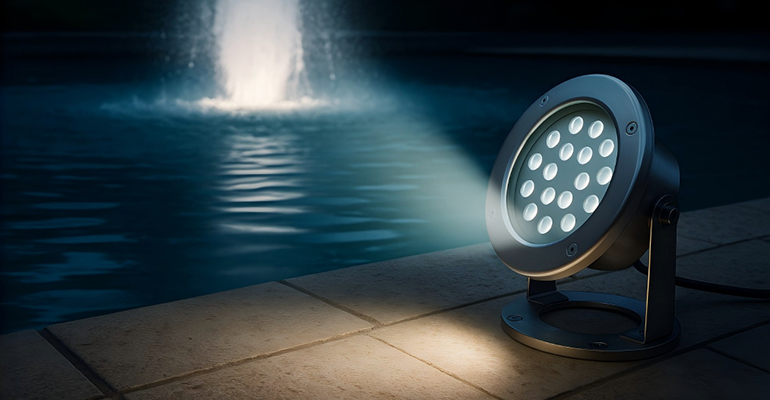
An underwater spot light is a sealed lighting fixture designed to operate safely beneath the water’s surface, delivering focused illumination for pools, fountains, ponds, aquariums and landscape water features. It enhances visibility, improves ambience and highlights architectural or natural details underwater. Built with durable housings, advanced waterproof sealing and corrosion-resistant materials, the light maintains stable performance in long-term submerged environments. Modern underwater spot lights often feature LED technology for higher brightness, energy efficiency and longer service life. They can be installed in both residential and commercial water systems to achieve decorative, functional or safety-oriented lighting across various underwater settings.
Request A QuoteThree Major Series Of Application Scenarios


Main Products

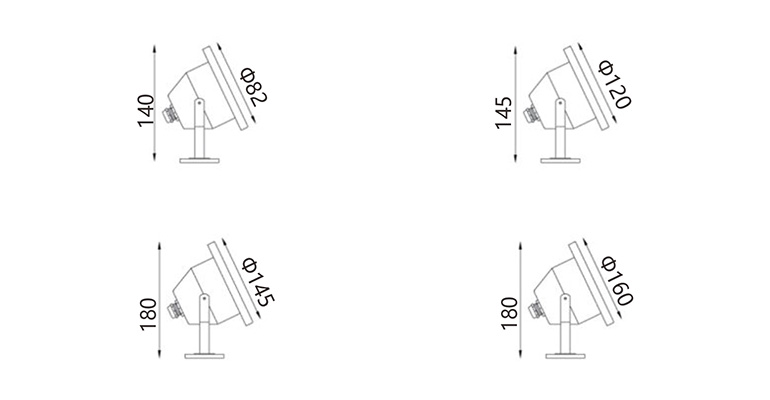
SYA-402 LED Underwater Spotlight
Underwater Spot Light (Bracket)
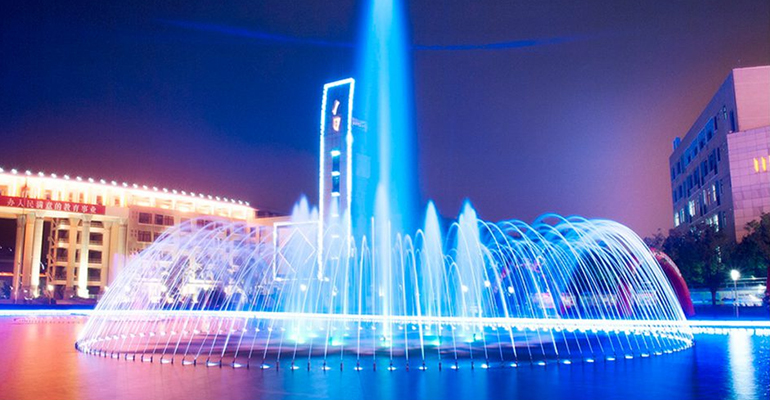
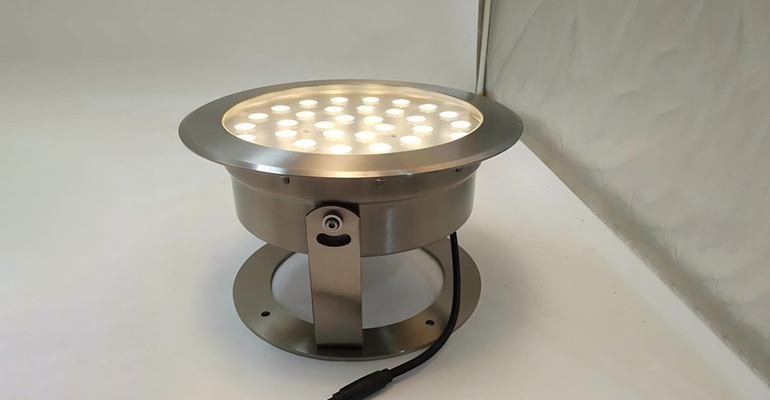
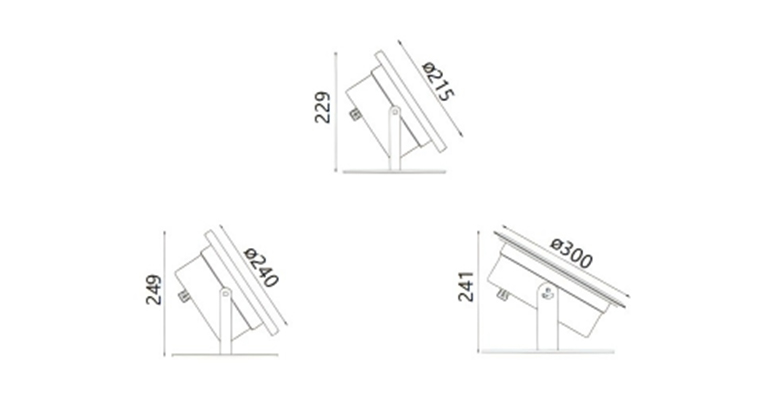
An LED underwater spotlight is a specialized submersible lighting fixture designed to operate safely and efficiently beneath water surfaces. It uses high-brightness LED chips, IP68 waterproof housings, and corrosion-resistant materials (often stainless steel or marine-grade polymers) to deliver stable illumination in aquatic environments. These spotlights are commonly installed in swimming pools, fountains, ponds, waterfalls, and coastal landscape projects, where continuous immersion, water pressure, and chemical exposure require reliable lighting performance.
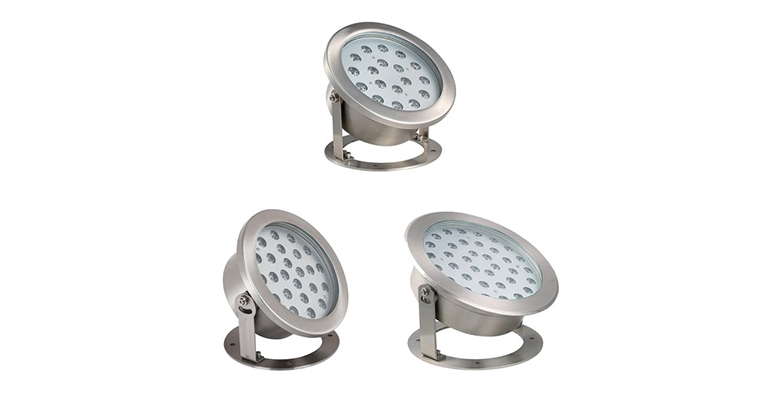
SYA-401 Underwater Spot Light
Underwater Spot Light (Bracket)
An Underwater Spot Light is a waterproof lighting fixture designed for use in pools, fountains, ponds, or aquariums. It enhances underwater visibility and creates striking visual effects by highlighting specific areas or features. Made from corrosion-resistant materials and sealed to prevent water intrusion, it delivers reliable illumination in submerged environments.
Why Choose Us
Superior Quality & Innovation
Our products are engineered with cutting-edge LED technology and premium materials, ensuring exceptional performance and longevity in the most demanding underwater environments.
International Certifications
CE, RoHS, FCC certified products meeting global standards
Advanced Protection
IP68 continuous immersion, 316L stainless steel housing
Latest Technology
DMX512/RDM control, RGB/RGBW options, high CRI LEDs
Comprehensive Services
FAQ Use & Operation
What Is the Best Lighting Solution for Parks?
Urban parks require more than basic illumination. A well-planned lighting system must balance safety, energy efficiency, visual comfort, and long-term durability. As public spaces continue to expand, public lighting systems are expected to perform reliably under changing weather, heavy usage, and diverse functional needs. This makes lighting planning a critical part of park development and renovation.
According to the International Energy Agency, efficient LED lighting can reduce energy consumption in outdoor environments by up to 50% compared to conventional systems. This highlights the importance of selecting the right fixtures and layout strategy from the beginning of any lighting solution for parks.
Core objectives of park lighting
Effective park lighting solution design should focus on three main goals:
Safety and visibility
Pathways, entrances, and open areas must be clearly illuminated to support pedestrian movement and reduce risk during nighttime use.Visual comfort
Lighting should minimize glare while maintaining sufficient brightness, ensuring a pleasant environment for visitors.Energy efficiency and maintenance
Long lifespan fixtures and optimized layout reduce operational costs and maintenance frequency.
These principles form the foundation of any successful outdoor lighting park design.
Key lighting zones in park environments
A complete outdoor landscape lighting plan typically divides the park into several functional zones, each requiring different lighting approaches.
Pathways and walkways
Linear lights, bollard lights, or low-height fixtures are commonly used to guide movement. Uniform illumination improves safety while maintaining a natural atmosphere.
Landscape features
Trees, sculptures, and garden elements are highlighted using focused fixtures such as outdoor spot lights. Adjustable beam angles help create depth and visual interest without excessive brightness.
Open public areas
Squares and gathering spaces require broader illumination, often achieved with flood lights or pole-mounted fixtures to ensure even coverage.
Water features
Fountains and ponds benefit from underwater or edge lighting to enhance visual appeal and improve nighttime visibility.
Product selection and system integration
Choosing the right fixtures is essential for long-term performance. A reliable lighting system should include:
Durable materials such as aluminum housing and tempered glass
Waterproof protection suitable for outdoor environments
Stable optical performance with consistent color temperature
Compatibility with smart control systems such as dimming or scheduling
SYA Lighting offers a wide range of outdoor fixtures including underground lights, wall washers, spike lights, and flood lights, allowing designers to build a complete lighting system using consistent technical standards.
Typical park lighting configuration
| Area | Recommended Fixtures | Key Purpose |
|---|---|---|
| Walkways | Bollard lights, linear lights | Safe navigation |
| Trees and landscape | Spot lights, spike lights | Visual enhancement |
| Open areas | Flood lights | Wide coverage |
| Water features | Underwater lights | Decorative effect |
| Building edges | Wall lights, wall washers | Structural highlighting |
Long-term performance considerations
A well-designed park lighting system must remain stable over time. This requires attention to:
Waterproof structure to prevent failure in outdoor conditions
Heat dissipation to maintain LED lifespan
Consistent batch production to avoid color variation
Easy installation and maintenance access
The U.S. Department of Energy notes that LED system lifespan depends on multiple factors including thermal management and driver quality, reinforcing the need to evaluate the full system rather than individual components.
Conclusion
The best park lighting solution combines functional safety, visual design, and reliable engineering. By integrating multiple fixture types into a unified system, parks can achieve both aesthetic appeal and operational efficiency. SYA Lighting supports this approach through comprehensive outdoor product ranges and customization capabilities, helping create consistent and durable lighting systems for modern public spaces.
What Is LED Underwater Light Used for?
Lighting installed below water level serves both functional and visual purposes in modern outdoor environments. From landscape features to large-scale public installations, the led underwater light use has expanded significantly with the development of high-efficiency LEDs and improved sealing technology. These fixtures are designed to operate safely under continuous water exposure while delivering stable illumination for long periods.
According to industry research from the International Energy Agency, LED lighting technology has improved energy efficiency by more than 50% compared to traditional lighting systems in many outdoor applications. This makes underwater lighting not only visually effective but also energy-conscious for long-term operation.
Key applications in outdoor environments
LED underwater lights are widely used across different types of underwater lighting application projects, where both durability and lighting precision are required.
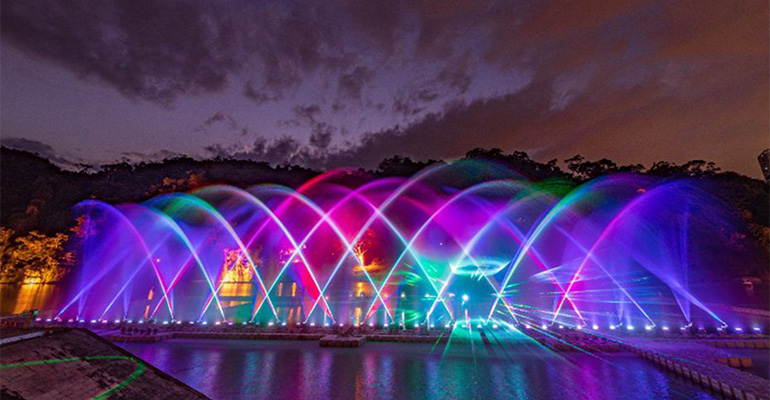
Fountains and water features Underwater lights are essential components in fountain lighting systems, where they highlight water movement and create dynamic visual effects. RGB and RGBW options allow color-changing scenes that enhance public spaces, hotels, and commercial landscapes.
Swimming pools and resorts In hospitality environments, underwater lighting improves both aesthetics and safety. Proper illumination enhances visibility and creates a premium atmosphere for guests.
Landscape ponds and gardens Decorative water features in parks and private developments rely on underwater lights to emphasize natural elements and create depth during nighttime.
Marine and waterfront projects Coastal installations and waterfront developments use underwater lighting to illuminate structures, edges, and surrounding water areas for both functional and visual purposes.
Why waterproof performance matters
The most critical requirement for underwater lighting is waterproof reliability. Unlike standard outdoor fixtures, waterproof led lights must withstand constant pressure, humidity, and potential chemical exposure.
High-quality underwater lighting typically includes:
IP68 sealing for continuous submersion
Corrosion-resistant materials such as stainless steel or marine-grade aluminum
Tempered glass for impact resistance
Advanced sealing techniques to prevent water ingress
SYA Lighting provides LED Underwater Lights designed with these structural considerations, supporting stable performance in demanding environments such as fountains and landscape water systems. The product range includes different beam angles and color options to match various design requirements.
Optical performance and control systems
Beyond durability, lighting performance is equally important. Underwater fixtures must deliver consistent brightness and accurate color output across the entire installation.
Modern underwater lighting systems often include:
Narrow to wide beam angles for targeted or ambient lighting
Single color, RGB, and RGBW options
Compatibility with control systems such as DMX or DALI
These features allow designers to create synchronized lighting effects, especially in complex fountain and architectural projects.
Choosing the right supplier
Selecting a reliable led underwater light supplier is critical to ensure product consistency and project success. A qualified supplier should offer:
Clear product specifications and material details
Proven waterproof structure and testing standards
Stable production capacity for bulk orders
Fast response for technical drawings and customization
SYA Lighting demonstrates these capabilities through its integrated manufacturing system, covering design, production, and project support. This helps ensure that underwater lighting solutions remain consistent from sample approval to final installation.
Summary of key considerations
| Aspect | Key Focus |
|---|---|
| Application | Fountains, pools, landscape water features |
| Waterproof level | IP68 continuous submersion |
| Materials | Stainless steel, aluminum, tempered glass |
| Lighting performance | Beam angle, color consistency |
| Supplier capability | Production, customization, technical support |
Conclusion
LED underwater lighting plays an essential role in modern outdoor design, combining durability, efficiency, and visual impact. Its applications range from decorative landscape features to large-scale architectural projects, where performance under water is critical. SYA Lighting offers a comprehensive range of underwater lighting solutions designed to meet these demands, with strong emphasis on waterproof structure, optical consistency, and project-level support.
How to Evaluate LED Lighting Supplier Quality?
Quality differences between lighting suppliers rarely appear in catalog photos. They become visible after installation, when failures, color inconsistency, and delayed technical support start affecting the project. Outdoor lighting also operates in demanding environments, which makes supplier selection a critical step before any large order. The International Energy Agency reported that lighting still represents a significant share of global electricity use, so efficiency and long-term reliability are essential factors when assessing suppliers.
A structured approach to led lighting supplier quality evaluation helps reduce risk and ensures consistency across batches and projects.
Start with a clear audit framework
A professional lighting factory audit process should go beyond basic company information. It needs to verify production capability, engineering support, and quality management systems. Key areas to review include:
Production lines and capacity
Material sourcing and incoming inspection
Assembly procedures and testing standards
Engineering response speed for drawings and customization
SYA Lighting demonstrates integrated capabilities from design to production, with multiple product categories covering outdoor architectural and landscape lighting. This type of structure indicates stronger control over product consistency and delivery timelines.
Review supplier quality control system
A reliable supplier must have a complete supplier quality control workflow. This includes inspection at different stages rather than only final testing. Buyers should confirm:
Incoming material inspection for LEDs, drivers, and housings
In-process checks during assembly
Final testing for waterproof performance, electrical safety, and optical output
According to U.S. Department of Energy guidance, LED system reliability depends not only on the light source but also on drivers, thermal design, and environmental protection. This highlights the importance of multi-stage quality control rather than single-point inspection.
Evaluate product structure and materials
Material choice directly impacts durability in outdoor conditions. High-quality suppliers will clearly define:
Aluminum grade for heat dissipation
Stainless steel type for corrosion resistance
Glass thickness and sealing design
SYA Lighting products show detailed material specifications such as 6063 aluminum housings and tempered glass, combined with IP-rated sealing structures. These elements are critical when evaluating long-term performance in applications such as façade lighting or linear exterior led lighting, where exposure to weather and temperature changes is continuous.
Check engineering and customization capability
Another key factor when you evaluate lighting supplier quality is how quickly and accurately the supplier responds to project requirements. This includes:
Speed of technical drawing delivery
Ability to modify dimensions or finishes
Support for lighting control systems such as DMX or DALI
SYA Lighting indicates fast design response and customization capability, which is essential when installation conditions or design specifications change during a project.
Use a structured supplier audit checklist
A practical led supplier audit checklist helps standardize evaluation across different vendors. The checklist should include:
| Audit Category | Key Points to Review |
|---|---|
| Factory capability | Production scale, equipment, technical team |
| Quality system | Inspection stages, testing standards |
| Product performance | Waterproof rating, optical consistency |
| Engineering support | Drawing speed, customization ability |
| Delivery reliability | Lead time, batch consistency |
This structured method ensures that supplier comparison is based on measurable factors rather than assumptions.
Focus on long-term reliability, not short-term cost
Price differences between suppliers often reflect variations in material quality, testing standards, and engineering support. Lower initial cost can lead to higher maintenance and replacement expenses later. The U.S. Department of Energy notes that LED lifetime is influenced by multiple system components, not just lumen output, reinforcing the need to evaluate the complete product design.
Conclusion
Evaluating a lighting supplier requires a combination of factory audit, product inspection, and engineering assessment. A reliable supplier should demonstrate strong production control, consistent product quality, and fast technical response. SYA Lighting shows clear advantages in integrated manufacturing, outdoor-focused product design, and customization capability, which are key indicators of stable performance across large-scale lighting orders.
What to Check Before Bulk Lighting Order?
Large lighting purchases are rarely judged by unit price alone. The real difference appears after installation, when waterproof failure, color shift, driver instability, and delayed drawings begin to affect the site. Lighting also remains a major part of power use worldwide. The International Energy Agency reported that lighting in buildings and outdoor applications accounted for about 8% of global electricity demand in 2024, which is why efficiency, durability, and maintenance risk deserve close review before any volume purchase.
A strong bulk lighting order checklist should begin with the supplier rather than the sample. Product images can look similar across many websites, but order performance depends on engineering support, optical consistency, delivery response, and the ability to adapt to installation details. SYA Lighting presents itself as a specialist in outdoor architectural and landscape lighting, with product ranges that include underground lights, underwater lights, wall lights, wall washers, linear lights, fountain lights, spike lights, and flood lights, supported by OEM and ODM capability for project-based customization.
Start with lighting supplier evaluation
The first step in lighting supplier evaluation is to confirm whether the factory can support real project coordination. A supplier should be able to provide technical drawings quickly, adjust specifications, and keep the fixture language consistent across the full site. SYA Lighting states that it offers integrated design, production, and sales support, with annual output above 300,000 units, design concepts completed in 30 minutes, technical drawings within 24 hours, and mold production in 15 days for custom outdoor lighting development. These details matter when project timelines are tight and installation conditions change during execution.
Confirm waterproof structure before wattage
Before reviewing lumen output, confirm whether the fixture is actually built for the intended environment. Outdoor lighting is exposed to rain, dust, temperature swings, and in some cases standing water or heavy wash-down conditions. SYA Lighting lists IP67 to IP68 protection for several underground and underwater product families, while its wall light series shows IP65 to IP66 and IK08 protection with corrosion-resistant 6063 aluminum housings and tempered glass. These material details are more important than a general waterproof claim because they directly affect field reliability and maintenance frequency.
Review optical and control consistency
A single approved sample does not guarantee uniform batch performance. Good led product inspection should check beam angle, color temperature, dimming protocol, finish, and glare control across the full order. SYA Lighting shows optical options such as narrow and wide beam distributions, plus static white, tunable white, RGB, and RGBW versions in several product lines. Its wall washer and linear light ranges also support DMX, DALI, and related control options, which is valuable when the project requires façade effects, scene control, or synchronized lighting behavior.
Verify service life claims with real design details
Lifetime claims should always be read carefully. The U.S. Department of Energy has noted that LED system life is not determined by lumen depreciation alone, because thermal stress, electronics, and other failure mechanisms also affect how long a luminaire performs in actual use. This means buyers should ask about housing material, heat dissipation, sealing structure, and driver quality instead of relying only on a stated lifetime figure. That is a critical point in any checklist before lighting order review because the cost of replacement in outdoor environments is usually much higher than the initial fixture price difference.
Make sure the range fits one project language
Many sites require several fixture families working together, not one standalone item. A supplier that can support wall washers, inground lights, underwater fixtures, spike lights, and wall lights under one technical system can simplify planning, approval, and replenishment. SYA Lighting’s wall light range includes low-glare, bidirectional illumination for façades, corridors, villas, hotels, and perimeter walls, which is relevant when specifying outdoor up down lights alongside other landscape and architectural products from the same source. This type of product continuity helps make the bulk lighting inspection process more efficient because finishes, control options, and engineering communication are easier to standardize.
| Check item | What to review before order |
|---|---|
| Supplier capability | Drawing speed, customization support, production scale |
| Waterproof design | IP rating, housing material, sealing structure |
| Optical consistency | Beam angle, color temperature, glare performance |
| Control compatibility | DMX, DALI, dimming, scene requirements |
| Mechanical durability | Glass, aluminum grade, impact protection |
| Delivery readiness | Lead time, mold cycle, repeat order support |
A successful bulk order depends on more than pricing and brochure appearance. The safer decision comes from reviewing engineering response, waterproof structure, optical consistency, and production coordination as one complete system. SYA Lighting shows clear strengths in outdoor product coverage, customization speed, and application-focused design, which are the areas worth checking first before placing a large order.
How to Choose Outdoor Lighting Supplier?
Bulk purchasing outdoor lighting is not only about comparing prices. The real cost appears later through water ingress, color inconsistency, unstable drivers, delayed drawings, and fixtures that do not match the installation plan. Lighting also remains a major energy load worldwide. The International Energy Agency estimated that lighting in buildings and outdoor applications accounted for around 8% of global electricity demand in 2024, which makes fixture efficiency and long service life part of every serious buying decision.
A practical review should begin with the supplier itself. Before you choose outdoor lighting supplier options, check whether the company has a clear product structure, engineering support, and project experience rather than only catalog images. SYA Lighting positions itself as an outdoor lighting supplier focused on urban and landscape applications, with product lines covering LED underground lights, underwater lights, wall washers, linear lights, projector lights, deck lights, fountain lights, flood lights, and solar models. The site also presents ODM and OEM support together with project case categories, which is important when lead time, layout revisions, and installation details must stay aligned.
Check waterproof structure before price
For outdoor fixtures, waterproof performance should be reviewed before wattage or appearance. Product pages should show material and sealing details, not just a general claim. On SYA Lighting’s site, underground lights are described with 304 or 316 stainless steel, tempered glass, and IP67 to IP68 sealing, while projector lights are described with corrosion resistant 6063 aluminum housings and IP66 to IP67 protection. Underwater floodlights also show beam angle options from 7° to 90°, which matters when a fountain or landscape water feature needs precise coverage rather than wasted light.
Check lifetime language carefully
Many buyers see a lifetime claim and assume all products will perform the same in the field. That is risky. The U.S. Department of Energy notes that LED lifetime should not be judged by lumen depreciation alone because electronic components, heat, and other failure mechanisms also affect performance. DOE guidance also notes that many LED fixtures on the market report L70 values in the 60,000 to 80,000 hour range, but those claims still need to be supported by sound thermal and electrical design.
That is why thermal structure, driver stability, housing material, and sealing process should all be reviewed together during supplier evaluation.
Check optical consistency across the whole order
A bulk order is judged by the last carton opened, not the first sample approved. Ask for confirmation on beam angle, color temperature range, control protocol, and finish consistency. SYA Lighting shows options such as 2700K to 6000K and RGB or RGBW across multiple outdoor ranges, and its wall washer series includes single color, tunable white, and DMX controlled RGB or RGBW versions for façade and landscape work. That breadth is useful only when the same technical standard is kept across production lots.
Check engineering response speed
A supplier can look strong in product photos but still slow the project when drawings, mold updates, and specification changes are needed. SYA Lighting states more than 15 years of outdoor lighting design and manufacturing experience, annual production capacity above 300,000 units, design concepts completed in 30 minutes, installation drawings within 24 hours, and mold production in 15 days for custom pillar light projects. For a project lighting manufacturer, this type of response speed can directly reduce schedule pressure during tender preparation and installation coordination.
Check whether the product range supports one project language
A commercial lighting supplier should be able to support more than one fixture family within the same design logic. Projects often combine inground uplights, wall washers, flood lights, linear lights, and accent products in one site. SYA Lighting’s portfolio is structured around these categories and also includes application case sections, which helps maintain a more consistent visual language and technical workflow from façade lighting to landscape paths and water features. This is one reason many buyers look for a reliable lighting supplier factory instead of splitting each fixture type across different sources.
A short checklist before order confirmation
| Check item | What to confirm |
|---|---|
| Waterproof rating | Real use environment, sealing level, housing material |
| Optical data | Beam angle, color temperature, RGB or RGBW consistency |
| Electrical design | Driver stability, input voltage, control compatibility |
| Drawing support | Installation details, fast revisions, project coordination |
| Production capacity | Delivery reliability for repeat and large volume orders |
| Application fit | Façade, plaza, fountain, landscape, outdoor window lights |
A successful bulk purchase is rarely decided by the lowest quotation. It is decided by whether the fixtures stay consistent after installation, whether the supplier can respond fast when the design changes, and whether the technical details match the real environment. SYA Lighting presents clear strengths in product coverage, customization, engineering response, and outdoor application focus, which are the points worth checking first when comparing suppliers.
What to Consider with Wall Wash Lighting?
Wall wash lighting can completely change how a surface is perceived. A flat façade can look deeper, stone can reveal more texture, and a long corridor can feel cleaner and more refined. But good results do not come from brightness alone. The real performance of wall wash lighting depends on beam control, fixture spacing, color consistency, protection level, and installation details working together.
For projects that need reliable architectural lighting, it helps to start with a manufacturer that already focuses on outdoor and façade applications. SYA Lighting supplies LED wall washer lights, linear lights, projector lights, wall lights, underwater lights, and other architectural products, which gives it a broader system perspective when planning lighting effects across building exteriors and landscape zones. Its wall washer range includes single-color, tunable white, and RGB or RGBW DMX control options for different visual goals.
Start With the Surface You Want to Illuminate
Not every wall should be lit the same way. Smooth painted walls usually need a softer and more even spread, while stone, brick, and textured concrete often benefit from tighter control that reveals surface depth. Before selecting a fixture, you should define whether the goal is uniform illumination, dramatic grazing, color-changing effects, or wayfinding support. That decision influences the beam angle, mounting distance, wattage, and control system from the beginning.
Beam Angle Matters More Than Many Buyers Expect
One of the most important factors in wall wash lighting is beam selection. Narrow beams create stronger visual contrast and are often used to emphasize architectural lines. Wider beams are better for large, smooth surfaces that need continuous coverage. SYA Lighting lists beam options from 10° to 60° in its wall washer series, which gives more flexibility when matching the fixture to façade height, setback distance, and desired light effect.
Quick Reference for Selection
| Project need | Recommended focus |
|---|---|
| Tall façade with strong texture | Narrow beam for definition |
| Wide flat wall | Wider beam for smoother coverage |
| Hospitality exterior | Uniform color consistency and low glare |
| Dynamic building outline | RGB or RGBW with DMX control |
| Harsh outdoor environment | High waterproof rating and durable housing |
Uniformity Is What Makes a Wall Wash Look Professional
A wall wash should look continuous, not patchy. Uneven brightness, visible hotspots, and dark gaps can quickly reduce the visual quality of a project. Uniformity depends on fixture spacing, lens design, tilt angle, and the consistency of LED color output. In one SYA façade case, the project used 1.0 meter spacing, a 30° beam, a 12° to 15° tilt angle, and SDCM ≤ 3 to maintain a clean and balanced visual result across the hotel exterior. These details show that optical planning is just as important as the fixture itself.
Color Temperature and Color Consistency Should Be Planned Early
Wall wash lighting is often judged by the eye before anything else. That is why color temperature and consistency should be decided at the early design stage. Warm white can add comfort and softness to hospitality and landscape projects, while neutral white often supports a sharper architectural appearance. For creative façades, RGB and RGBW systems allow dynamic scenes, but the base quality of the light still matters. SYA Lighting offers single-color, tunable white, and RGB or RGBW DMX solutions, and its project case highlights SDCM ≤ 3, which is important for reducing visible color variation between fixtures.
Outdoor Reliability Cannot Be an Afterthought
Many wall wash fixtures are installed on façades, perimeter walls, bridges, and landscape structures, so outdoor durability is a core requirement. According to SYA Lighting, its wall washer products use sealed aluminum housings with silicone gaskets and IP66 waterproof performance. Across other exterior product lines on the site, the company also highlights 6063 aluminum housings, tempered glass, and protection levels such as IP65 to IP66 and IK08, showing a manufacturing focus on weather resistance and structural durability.
This matters because moisture ingress, corrosion, and impact damage can shorten service life and increase maintenance costs. For long-term projects, fixture materials and sealing quality are not minor specifications. They are part of the real project value.
Efficiency and Thermal Design Affect Long-Term Performance
High output is useful only when the fixture can maintain stable performance over time. SYA Lighting states that its wall washer series reaches up to 120 to 140 lm/W and uses an integrated die-cast aluminum structure for heat dissipation, with a claimed service life above 50,000 hours. Good thermal management helps preserve lumen maintenance, color stability, and driver reliability, especially in demanding outdoor environments.
Installation Details Shape the Final Effect
Even a strong fixture can underperform if installation is not considered early enough. Mounting height, setback from the wall, bracket adjustment, cable routing, and continuous-row alignment all influence the finished result. SYA Lighting also offers foldable wall washer designs, which support angle adjustment and make it easier to fine-tune the light direction on site. That added flexibility can be valuable when the project surface is irregular or when final aiming needs to be refined after mock-up testing.
Why Manufacturer Capability Matters
Wall wash lighting is not only about buying a fixture with the right wattage. It is about achieving a predictable visual effect in real conditions. A manufacturer with experience across wall washers, linear lights, projector lights, and related architectural products can usually give more practical guidance on beam selection, control options, exterior protection, and system matching. SYA Lighting presents a broad architectural product portfolio and OEM and ODM support, which is useful for projects that need customized sizes, optical options, and coordinated product families.
Final Thoughts
When evaluating wall wash lighting, focus on the full picture: surface type, beam angle, spacing, color consistency, control mode, outdoor protection, thermal design, and installation method. The best result is not simply a brighter wall. It is a smoother, more controlled, and more durable lighting effect that stays consistent over time. With its wall washer range, optical options, exterior-grade construction, and customization capability, SYA Lighting provides a solid manufacturing base for architectural projects that require both visual quality and dependable performance.